Cellular mechanisms: what happens at the cellular level
At the cellular level, skin aging is driven by several well-defined processes.
In the epidermis, the keratinocyte renewal cycle—which lasts about 28 days in a young adult—gradually lengthens. Dead cells remain on the surface longer. The complexion becomes dull.
In the dermis, fibroblasts become less active. There is less collagen and less elastin. The supportive structure weakens, and the tissues lose their firmness.
Added to this is glycation: a chemical process in which sugars bind to proteins such as collagen, gradually stiffening the skin’s fibers. It is a subtle mechanism, but one that has a significant impact on the skin’s elasticity.
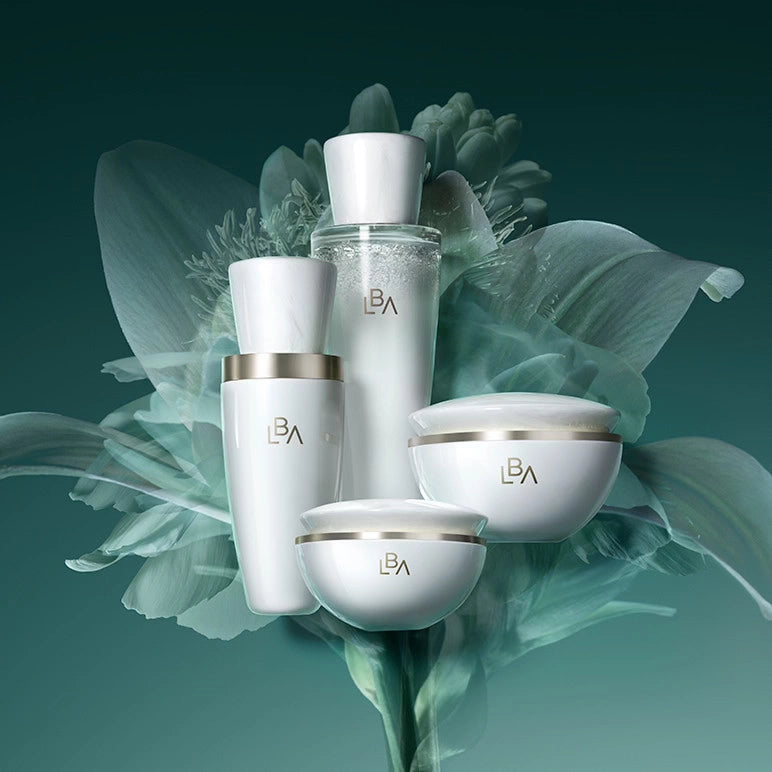
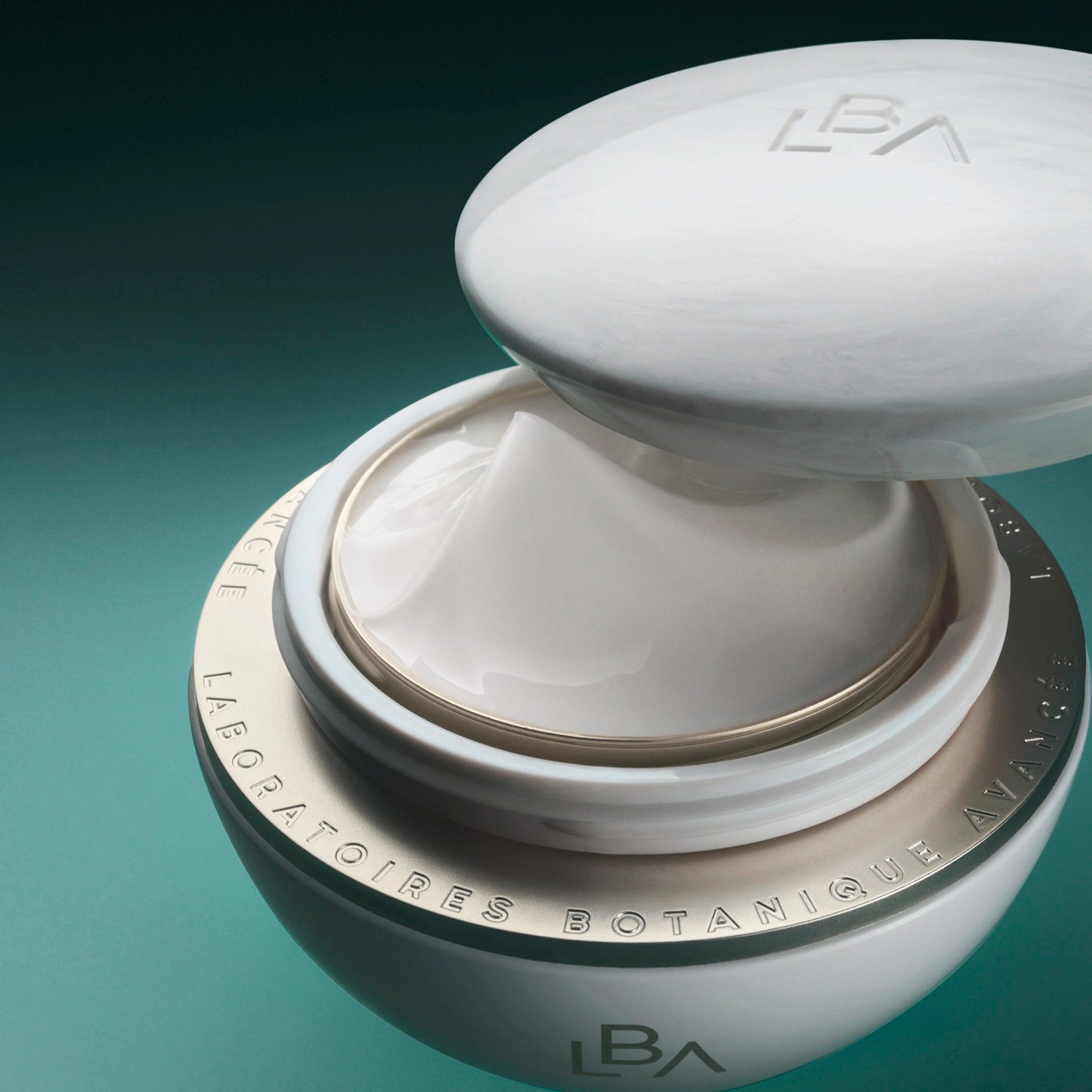
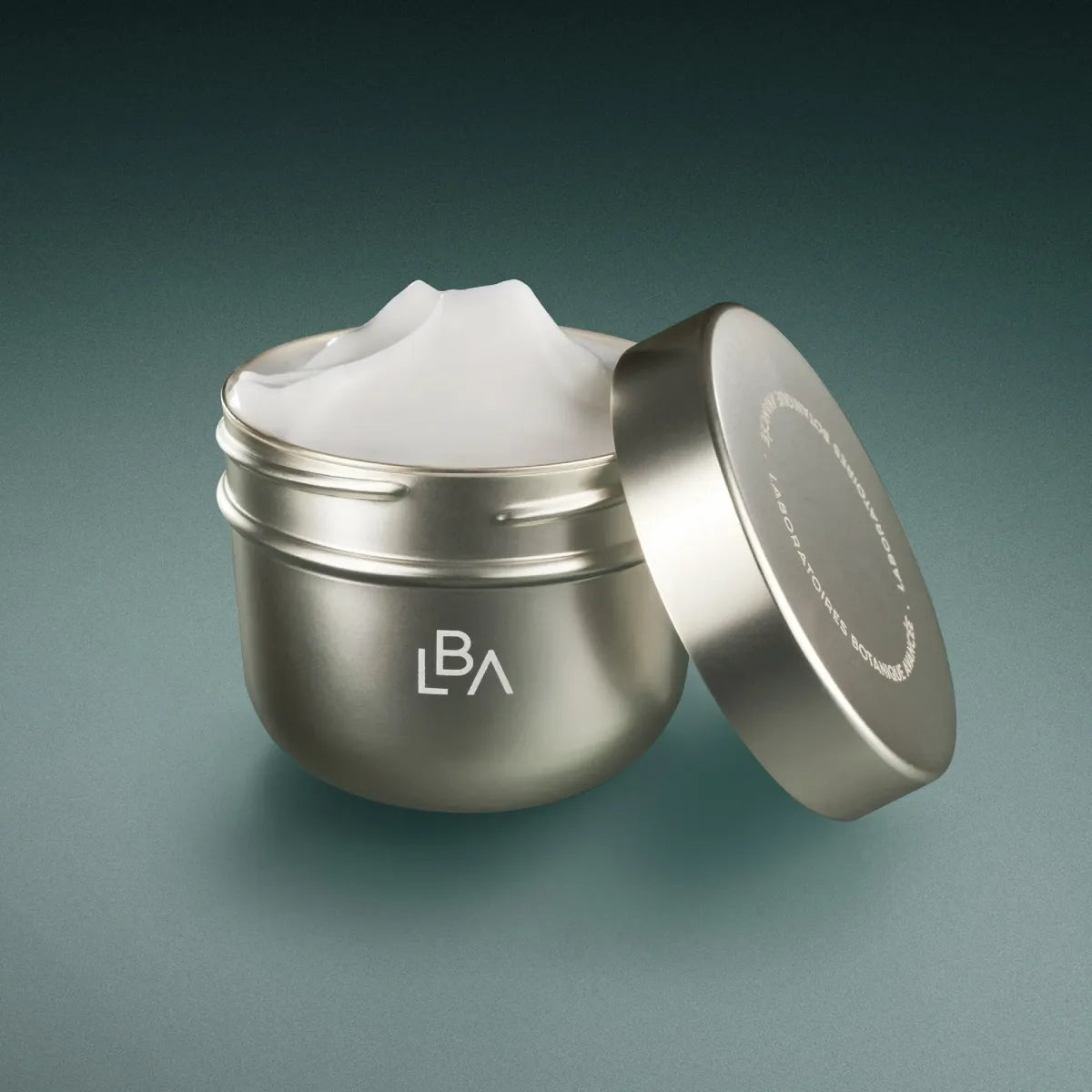
Contemporary research on longevity goes even further: aging also depends on the ability of cells to maintain their repair mechanisms. This is precisely the area that LBA is exploring.