Skip to content

Your shopping cart

Your cart is empty

Advanced Botany: When Science Reveals the Intelligence of Plants

Botanical intelligence

Advanced Botany: When Science Reveals the Intelligence of Plants

Summary

    An approach by LBA

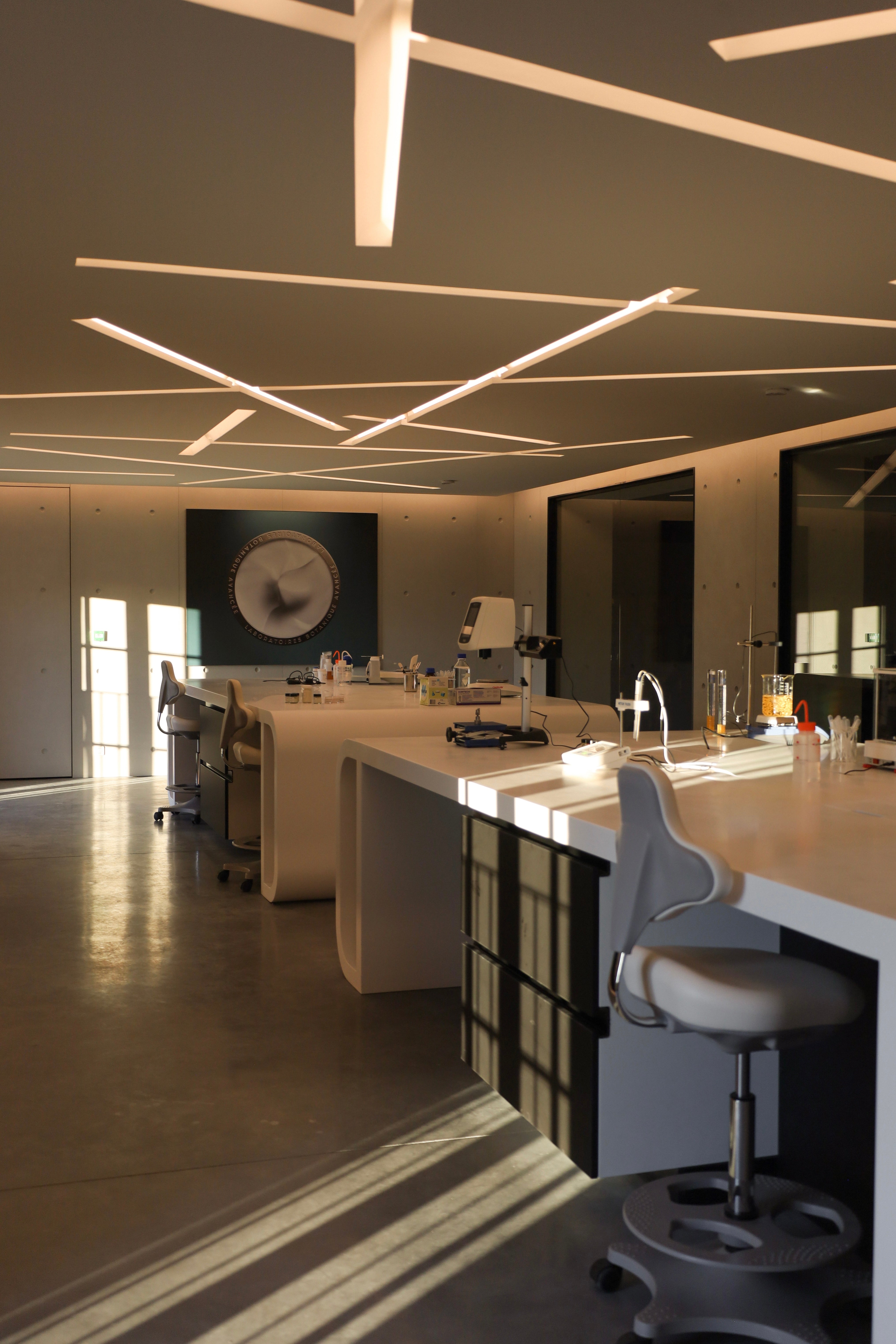
    Advanced botany is not an academic discipline in the strict sense. It is an approach—a way of observing plants.

    At LBA, our approach is rooted in a core belief: a plant is not merely an ingredient. It is a living system of remarkable complexity, capable of adapting, defending itself, regenerating, and teaching—to those who know how to observe it—something essential about life itself.

    Seeing Plants in a New Light

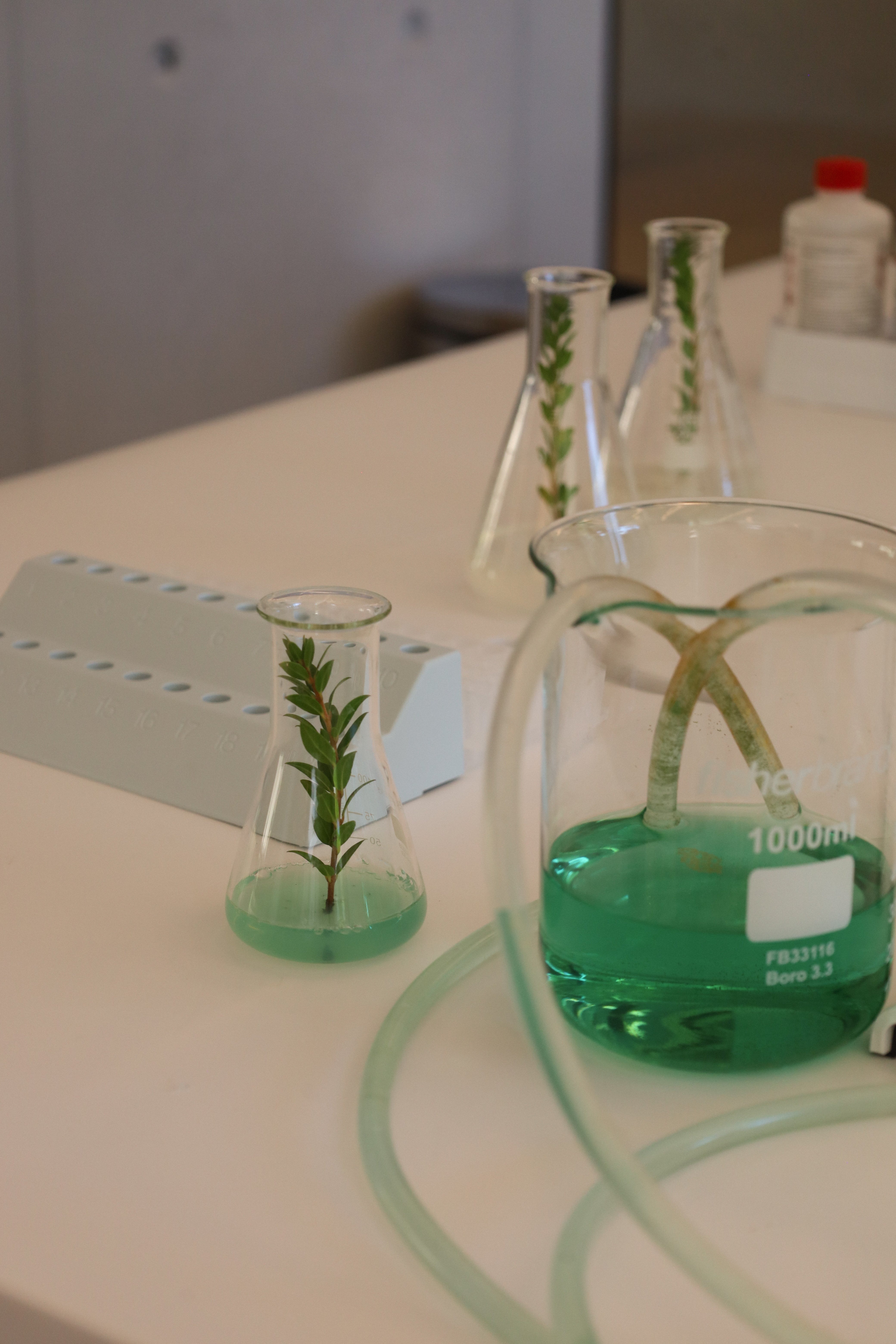
    For centuries, botany has described, classified, and named. It is a science of observation—patient and meticulous. Today, that observation goes further. It no longer stops at what a plant is. It seeks to understand what it does, how it reacts, why it adapts, and what it produces to survive.

    Advances in cell biology have made it possible to explore this at a finer, more precise level. The plant is no longer passive. It has become active, strategic, and intelligent in its functioning.

    Plants as a model of adaptation

    Rooted in the ground, exposed to climatic fluctuations, water stress, and external threats, the plant cannot escape. It must cope. And to cope, it has developed, over time, mechanisms of remarkable sophistication.

    It produces protective molecules. It regulates its cellular functions. It maintains its balance even under the most demanding conditions. This constant ability to adapt is at the heart of what fascinates us and what inspires us.

    What the Estate

    A plant’s potential cannot be separated from the place where it grows. The soil, climate, exposure, and local biodiversity—all of these factors shape its biological identity in an indelible way.

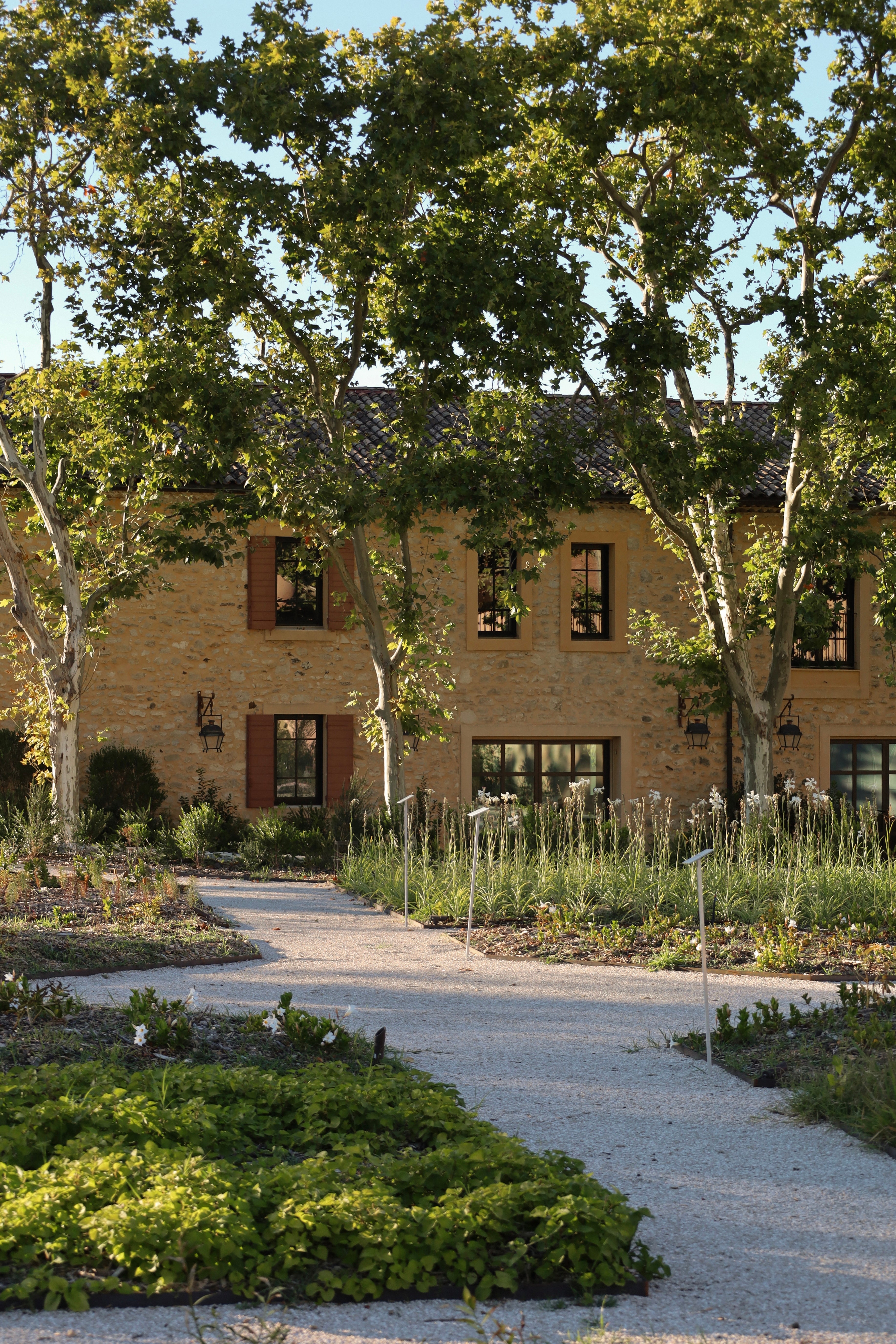
    On the volcanic soils of Domaine Baulieu, certain species develop characteristics found nowhere else. Faced with specific conditions, they produce molecules in direct response to their environment. It is this interaction between the plant and its environment that is one of the guiding principles of advanced botany. The Estate a setting; it is a condition.

    From ancient pharmacopoeias to modern understanding

    The major pharmacopoeias were based on empirical knowledge passed down from generation to generation. Certain plants were recognized for their effects and used with precision, even though their mechanisms of action had not yet been fully understood.

    Modern science has expanded upon this traditional knowledge. Today, it enables us to identify active molecules, analyze their interactions, and understand what, at the cellular level, produces a specific effect. This shift from mere use to deeper understanding marks a profound evolution. It is no longer simply a matter of using the plant, but of interpreting it.

    Plant molecules: biological intelligence

    Polyphenols, flavonoids, carotenoids, and antioxidant compounds: plants produce an extraordinarily rich molecular diversity. These compounds are not biochemical accidents but rather responses—solutions that plants have developed in response to the challenges of their environment.

    In an advanced botanical approach, these molecules are never studied in isolation. They are considered within their broader biological context, in relation to the plant from which they originate, the soil in which it grew, and the conditions that shaped its physiology

    Iconic plants at the heart of research

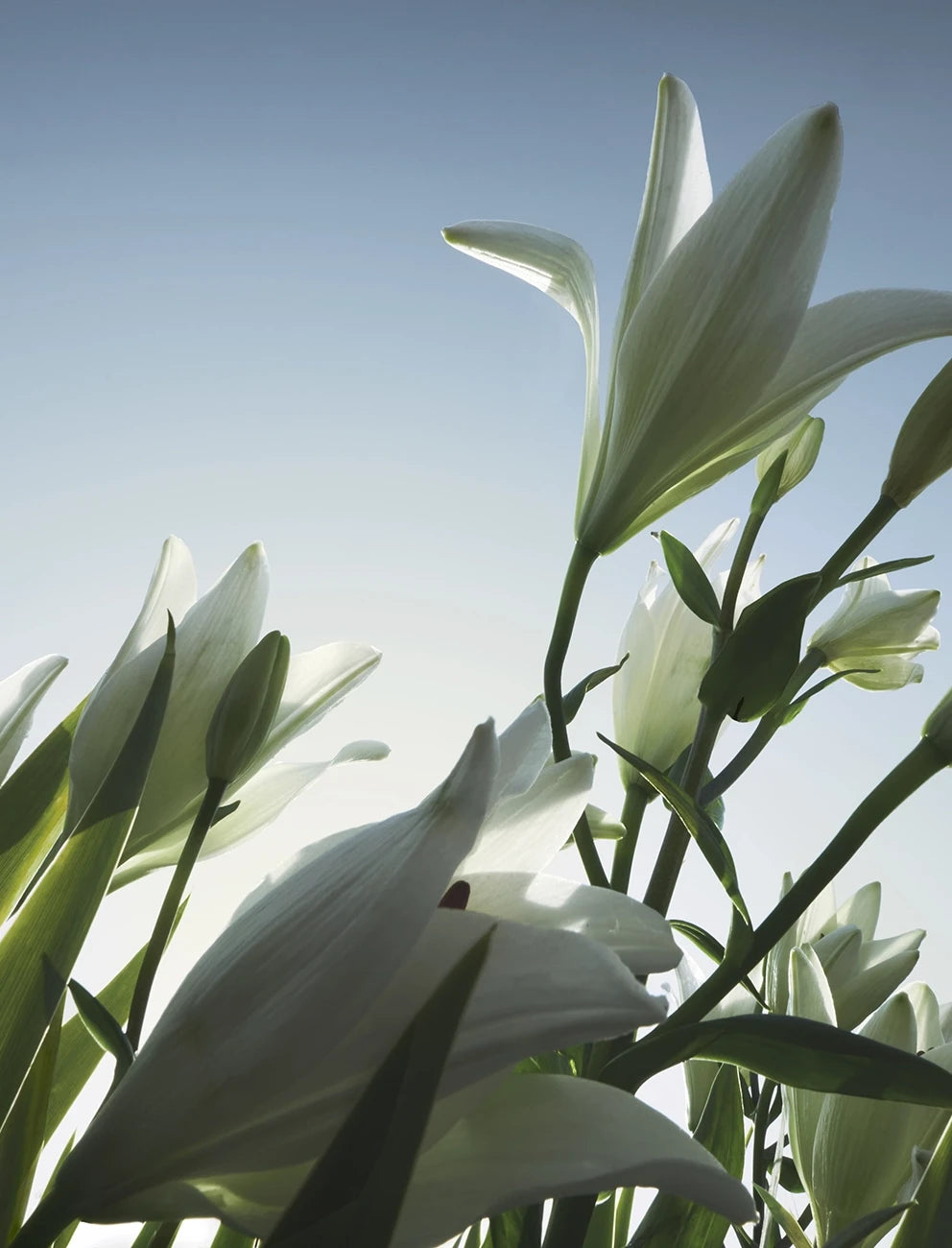
    Peony, white lily, iris: these species have been featured in pharmacopoeias for centuries. Today, they are the subject of in-depth studies, cultivated in environments carefully selected for what they reveal about these plants.

    Observing them allows us to bridge the gap between ancient knowledge and modern scientific rigor. They embody this continuity between what people have intuitively observed and what science is now able to demonstrate.

    A new approach to care

    Advanced botany is also transforming the way we view the skin. By studying how plants function, LBA has developed a vision of skincare in which the skin is also viewed as a living system: dynamic, intelligent, and capable of self-regulation.

    Jean-Marc Lemaître’s research on longevity sheds particularly clear light on this approach. Preserving biological functions over time, supporting natural mechanisms rather than bypassing them. This is exactly what plants do, and it is what LBA seeks to replicate. Skincare is no longer about correction but about prolongation.

    Q&A

    My Account

    Login

    Enter your email and password to log in: