Skip to content

Your shopping cart

Your cart is empty

The Herb Garden: When Ancient Botany Informs Modern Research

The domaine

The Herb Garden: When Ancient Botany Informs Modern Research

Summary

    There are places where time unfolds differently. Where, as you watch a plant grow, you sense that knowledge has been passed down here for centuries—from hand to hand, from generation to generation.

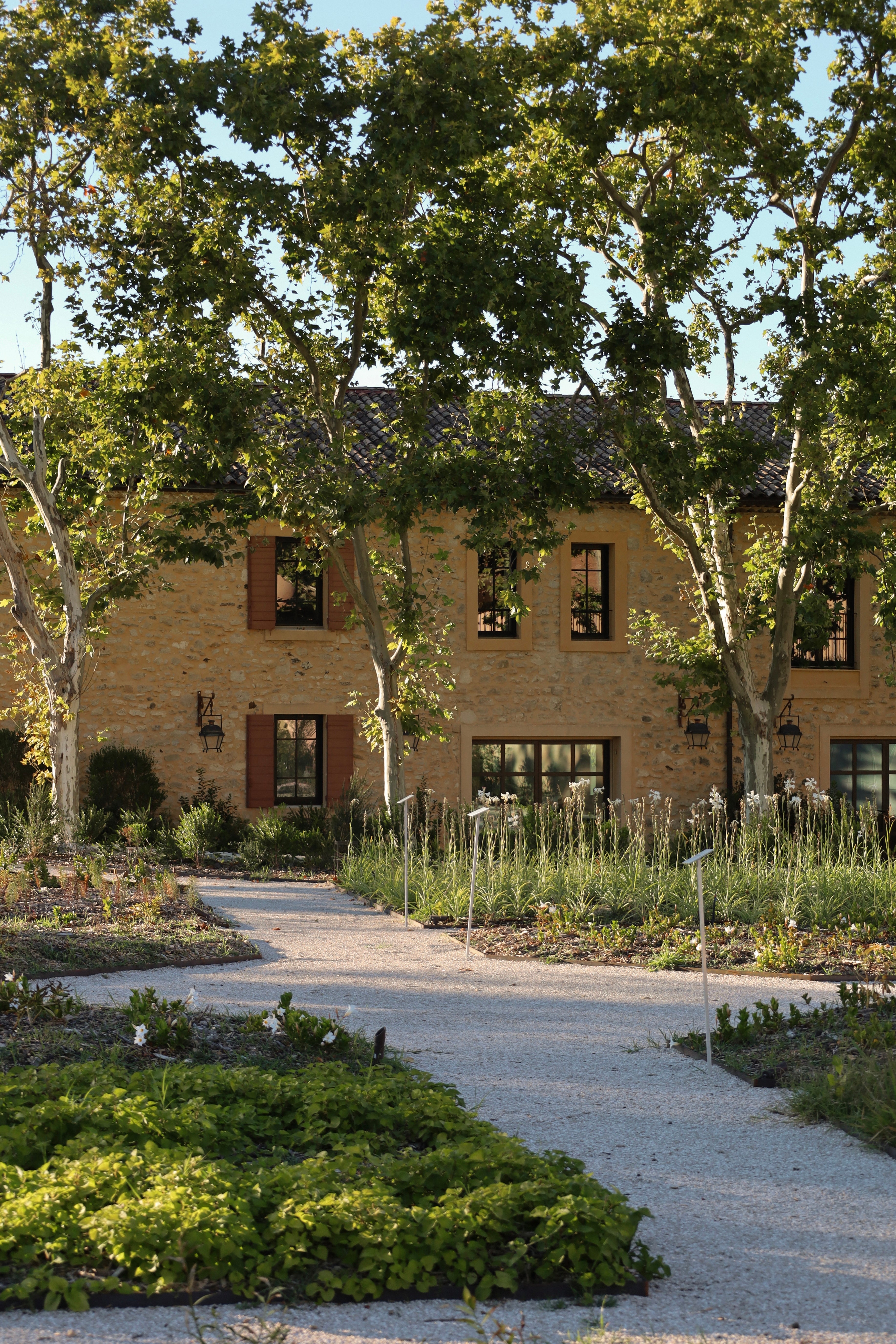
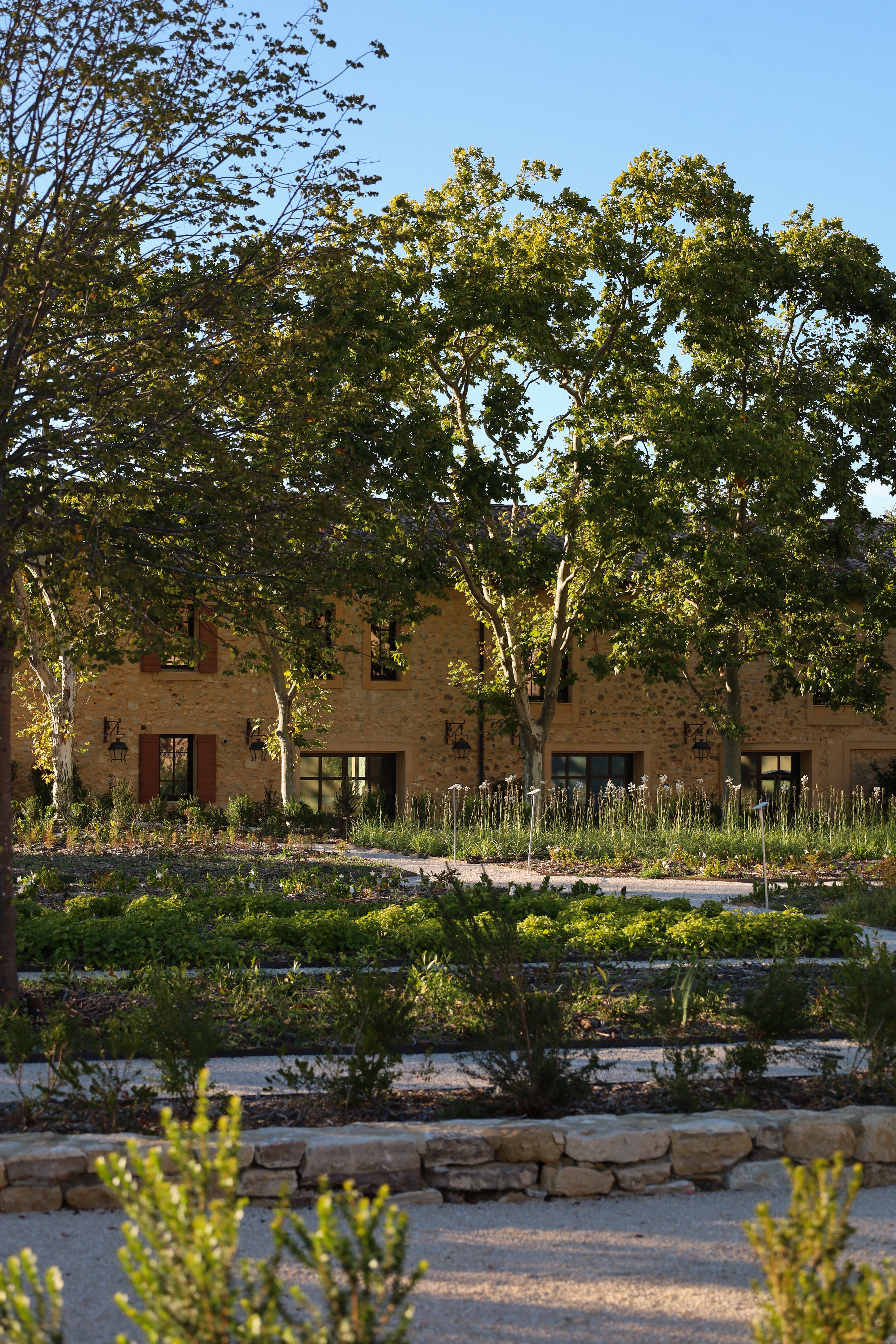
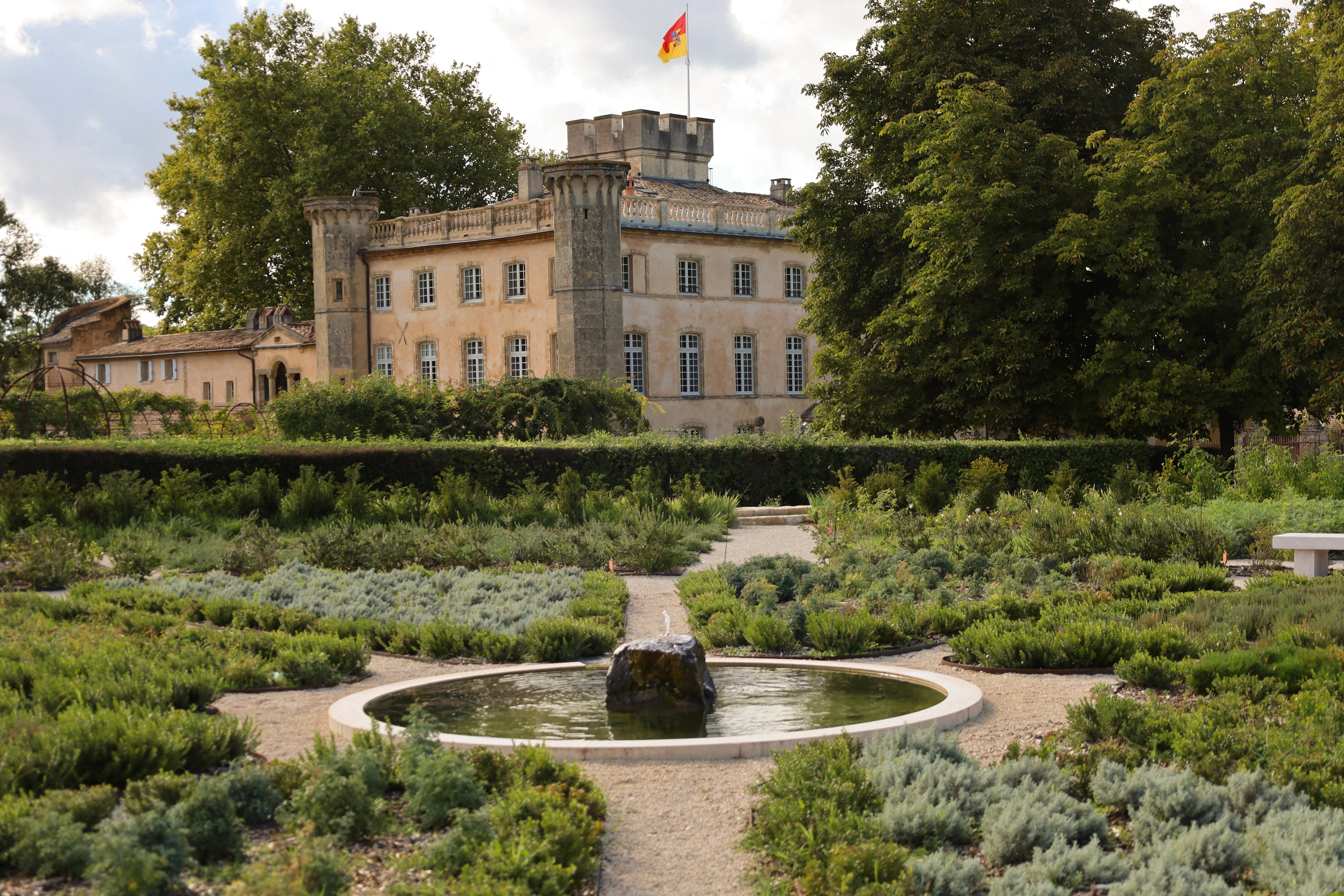
    The Jardin des Simples is one such place. At Domaine Baulieu, it is one of the two research gardens of Laboratoires Botanique Avancée. It is neither a museum nor a mere backdrop—but a living laboratory, rooted in a botanical tradition of remarkable depth.

    What is a medicinal herb garden?

    The term is worth a closer look. “Simples”—from the Latin *simplicis*—referred to natural substances used alone for their therapeutic properties. Before the advent of modern pharmacology, medicine relied on these plants. They constituted the first pharmacopoeias: precise, methodical compendiums passed down by monks, physicians, and herbalists who cultivated them in their gardens.

    As early as the Middle Ages, medicinal gardens played a central role in monasteries and medical schools. These were not mere vegetable gardens. They were meticulously organized spaces—with plants classified according to their properties, uses, and harvest seasons—true living encyclopedias of the plant world. There, people observed, experimented, and passed on their knowledge. The science of that era was called observation.

    Plants steeped inheritage

    At Domaine Baulieu, certain species directly evoke this heritage. The peony, known since ancient times for its soothing and anti-inflammatory properties. The white lily, an iconic plant in Provençal skincare traditions, whose petals, when steeped in olive oil, were used to treat burns and wounds.

    The iris, whose roots were prized in herbal medicine. The tuberose, a flower native to Mexico, whose botanical properties are now attracting renewed scientific interest.

    These plants are not grown in Baulieu aesthetic reasons or out of nostalgia. They are there because their very structure contains fascinating biological mechanisms, and because modern science is still learning from them.

    From the medieval garden to plant biotechnology

    This is where tradition takes an unexpected turn. Researchers at Advanced Botanical Laboratories aren’t interested in the plants of the Jardin des Simples for their heritage value; they study them for how they respond biologically to stress and environmental stressors.

    When faced with injury, drought, or extreme weather, plants trigger repair mechanisms of remarkable precision. At the heart of this ability are plant stem cells, which can reactivate to regenerate the tissues necessary for the plant’s survival. Once isolated and cultured in a laboratory using biotechnology, these cells become highly potent active ingredients for cosmetics.

    The garden thus serves as a starting point. The observation of living organisms, a practice dating back to the Middle Ages, directly informs cutting-edge scientific research. This dialogue between botanical heritage and biotechnological innovation lies at the very heart of the LBA approach.

    What the Jardin des Simples Says About Our Vision

    There is a profound logic to maintaining a medicinal herb garden at the heart of a cosmetic research laboratory. It is a way of affirming that innovation does not arise solely from spectrometers and bioreactors; it also arises from the patient observation of the plant world and from respect for the long timeframes that nature dictates.

    Medieval gardens understood this: knowledge is built slowly, through accumulation and transmission. The Advanced Botany Laboratories build on this tradition, bringing it into dialogue with the latest scientific tools.

    Pharmacy is not a thing of the past. It is reinventing itself.

    My Account

    Login

    Enter your email and password to log in: