Skip to content

Your shopping cart

Your cart is empty

Signs of oxidative stress on the skin

longevity cosmetics

Signs of oxidative stress on the skin

Summary

    The effects of oxidative stress on the skin become apparent gradually. Collagen and elastin fibers, damaged by oxidation, lose their structural integrity—the skin loses its suppleness, resilience, and firmness. The skin barrier becomes weakened.

    The most common signs of oxidative stress on the face:

    dull complexion and lack of radiance

    premature wrinkles and loss of firmness

    uneven texture, less uniform skin tone

    • increased skin fragility, sensitivity to environmental stressors

    loss of density and elasticity

    These signs aren’t just related to age. They reflect a biological condition. They indicate that the skin is no longer able to effectively neutralize what it is exposed to.

    Oxidative stress and inflammation are also closely linked. An excess of free radicals can trigger an inflammatory response which, even when silent, disrupts cellular repair mechanisms and accelerates tissue breakdown. The two phenomena feed off each other, creating a cycle that the skin alone cannot break.

    What plants figured out before we did

    In the plant world, oxidative stress is a constant reality. Exposed to sunlight, climatic variations, and environmental stressors, plants have developed highly sophisticated molecular defense systems.

    Among the molecules naturally produced by plants to combat oxidative stress:

    polyphenols, powerful free-radical scavengers

    flavonoids, which have antioxidant and anti-inflammatory properties

    carotenoids, which protect cellular structures from oxidation

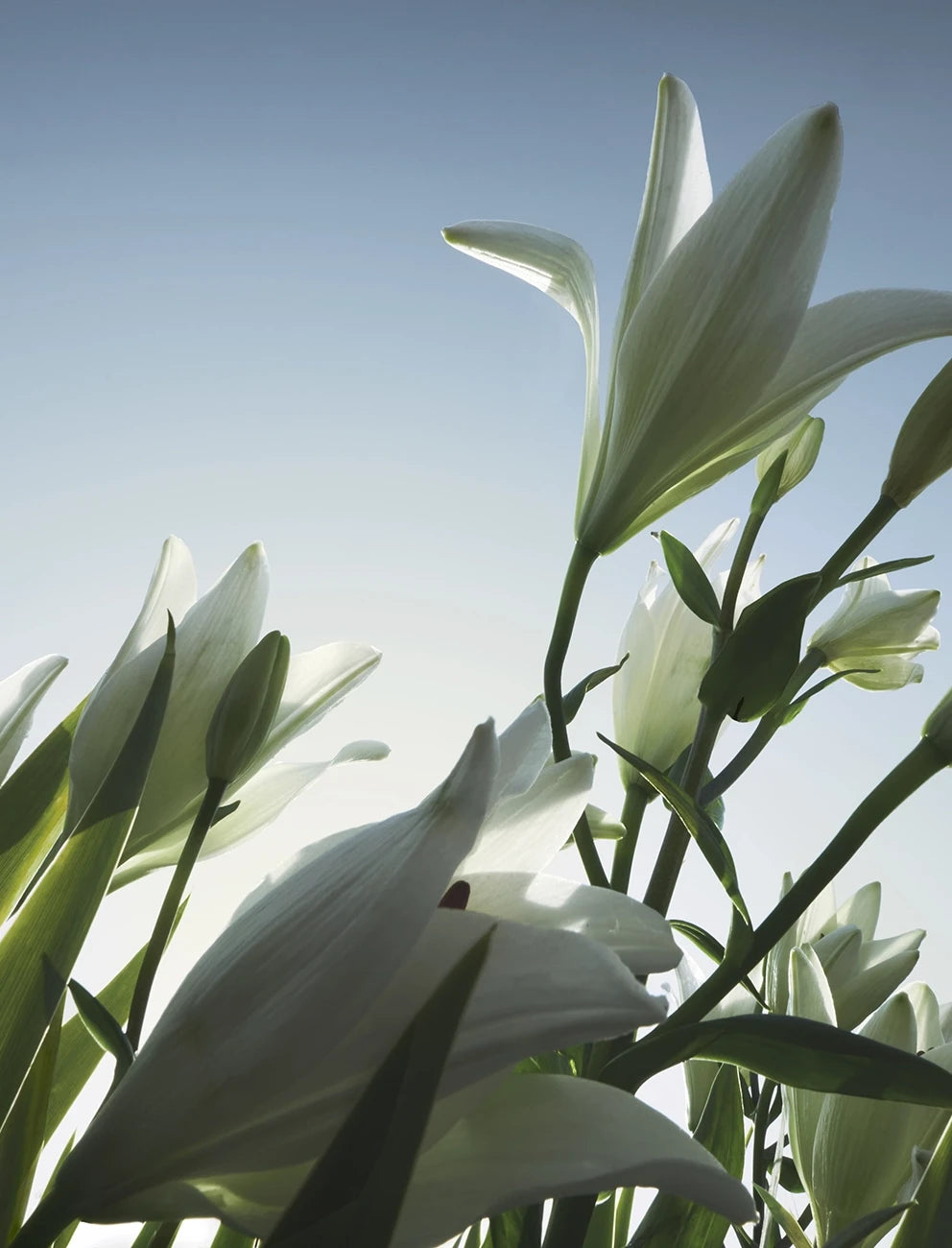
    tannins and phenolic acids, found particularly in peonies and white lilies

    It is this understanding of living organisms that inspires the scientific approach of Laboratoires Botanique Avancée. Species such as the peony, white lily, and iris, cultivated at Domaine Baulieu a preserved Mediterranean environment, have developed remarkable adaptive capabilities. These properties are studied and harnessed through plant biotechnology for their potential in protecting and regenerating the skin.

    Preserve, rather than correct

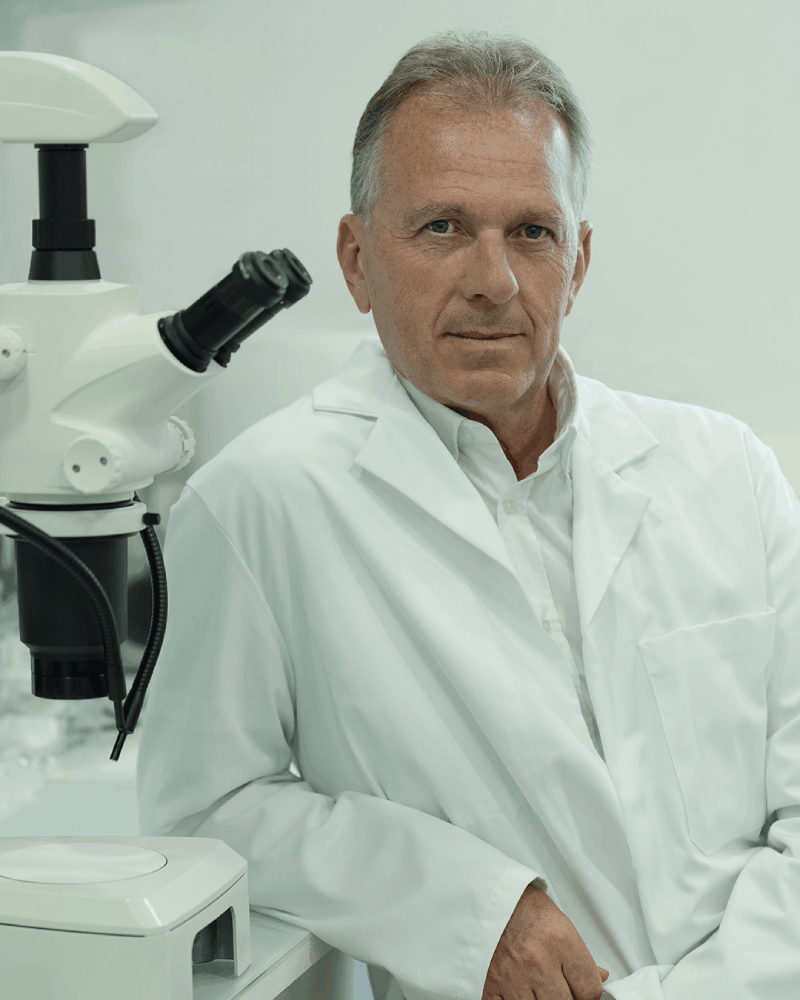
    Research on longevity , particularly the work of Prof. Jean-Marc Lemaître atINSERM, highlights the critical role of oxidative stress in cellular aging. Preserving the skin’s biological functions over time—its ability to regenerate, repair itself, and defend itself—is a challenge that goes beyond mere appearance.

    It is with this in mind that LBA develops its skincare products: not to correct the signs of aging that have already set in, but to preserve the skin’s natural functions. To support its antioxidant defenses. To strengthen its resilience. To act proactively, consistently, and precisely.

    Viewed in this way, skincare becomes as much a biological process as it is an aesthetic one.

    Q&A

    My Account

    Login

    Enter your email and password to log in: