Botanical intelligence
Your shopping cart
Your cart is empty

Summary
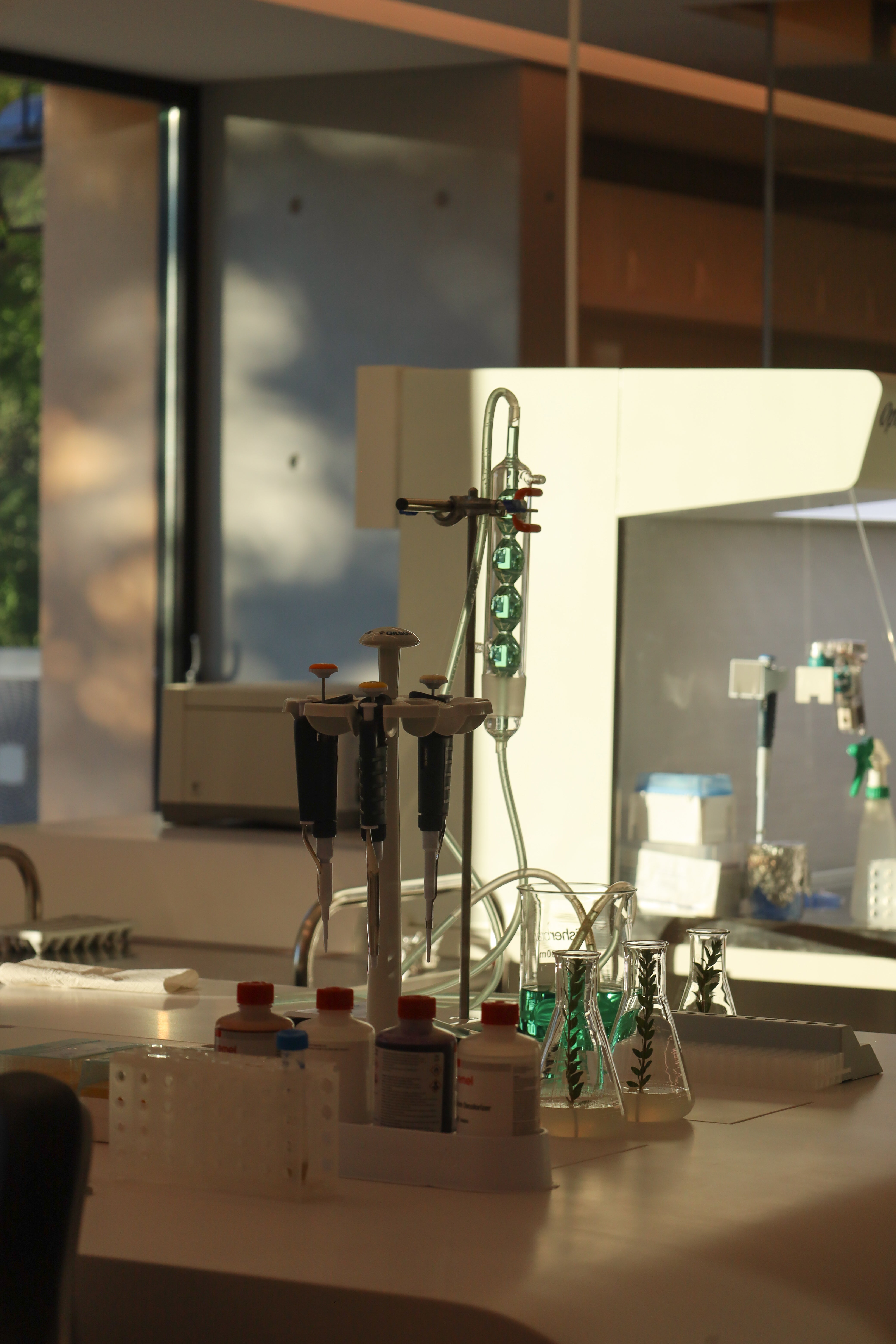
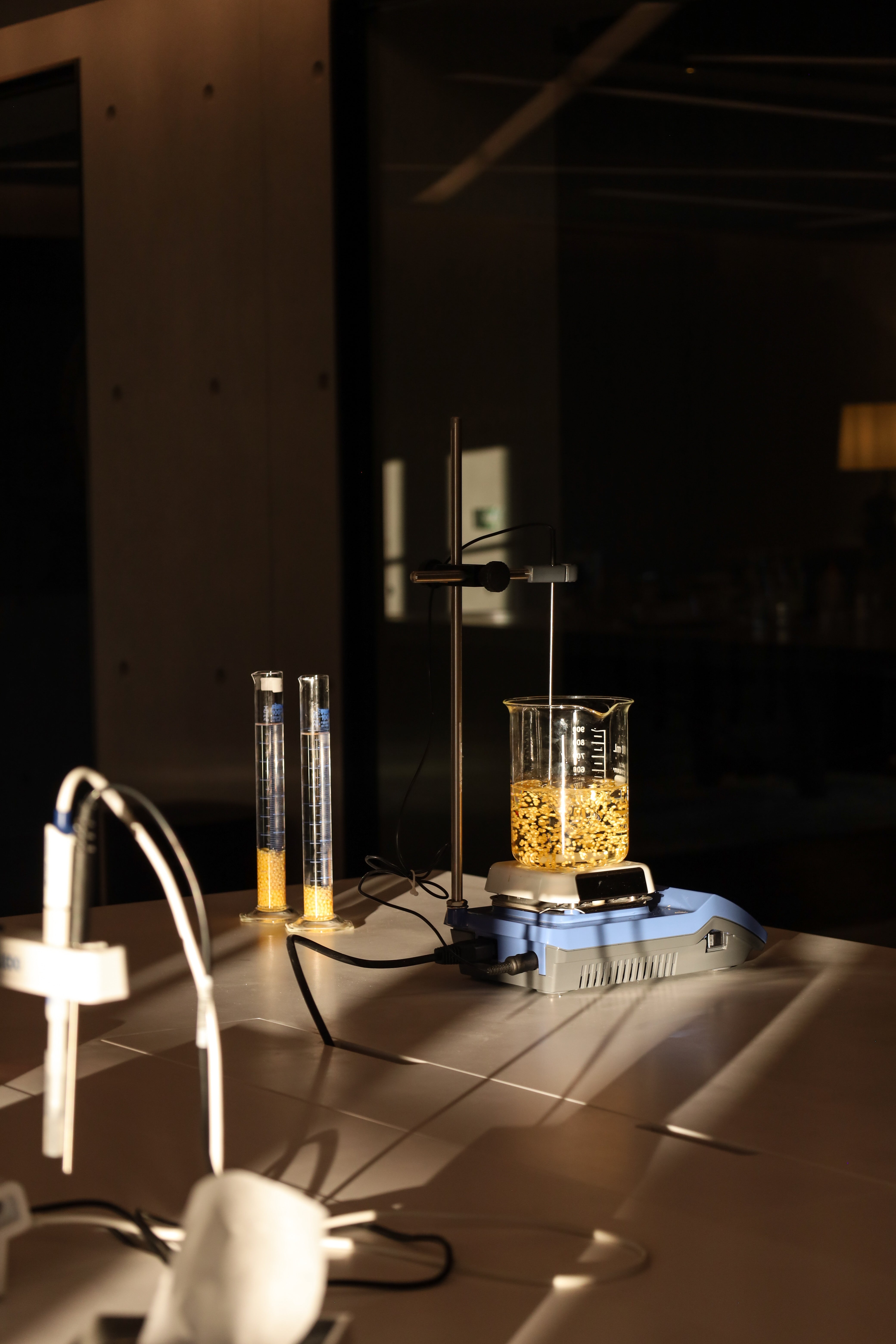
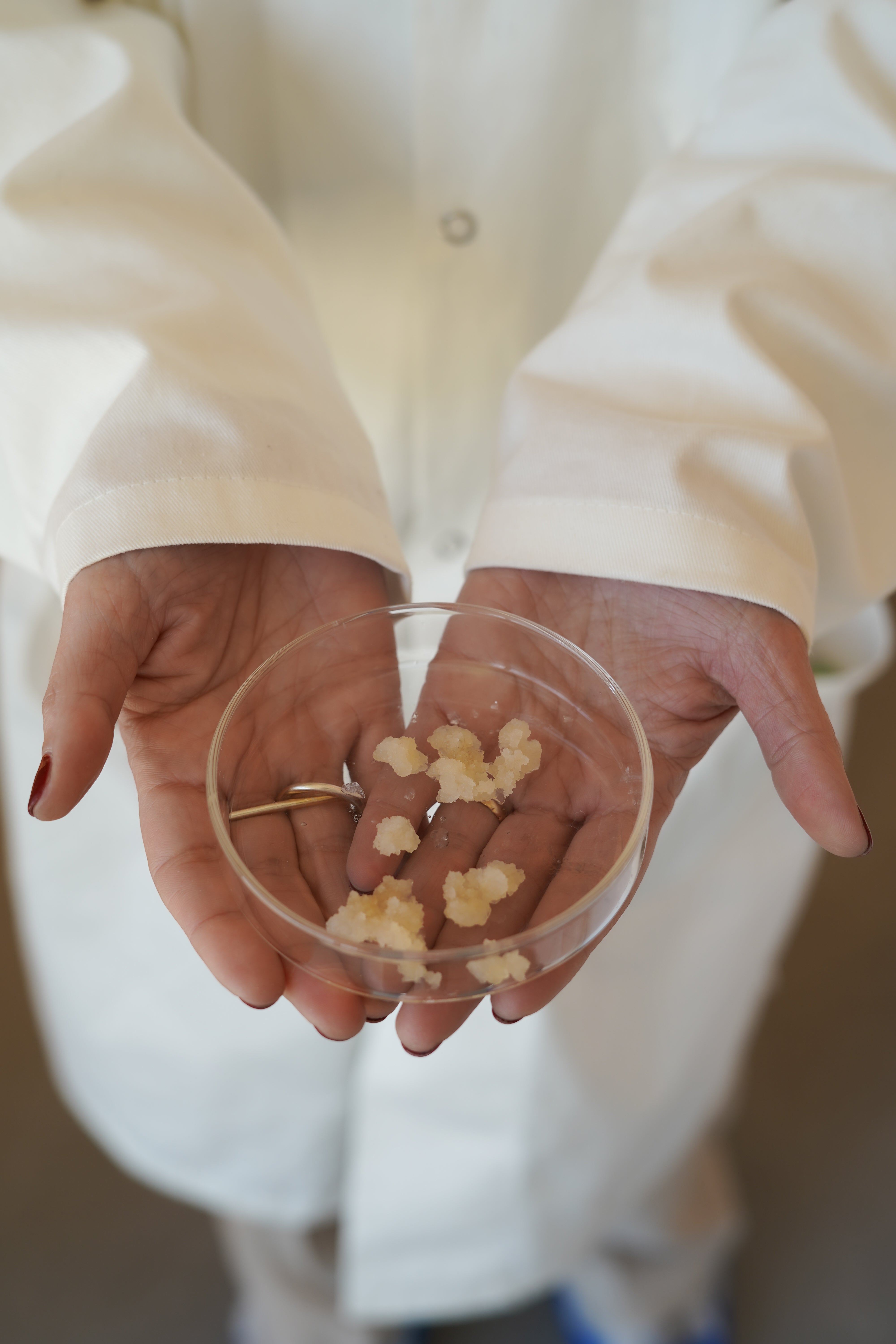
A plant contains thousands of molecules: polyphenols, flavonoids, organic acids, and enzymes. But these compounds are not directly available to the skin. They must be identified, isolated, and processed.
It is this process that transforms a plant into a botanical extract containing truly active ingredients—capable of interacting with the skin’s mechanisms at a measurable concentration—in a molecular form that the skin can recognize and utilize.
The challenge isn't about using plants; it's about understanding how to extract their power with precision.

A active ingredients only truly exists after extraction. This step determines the quality, purity, and efficacy ofactive ingredients . The methods are not interchangeable.
Hydroalcoholic extraction is the most widely used method. It dissolves polar molecules in water or alcohol in a straightforward and reproducible manner. However, it is not very selective, and heat can degrade certain fragile compounds.
Cold maceration preserves the integrity of heat-sensitive molecules. The extraction process is slower and the yield is lower, but the quality of the compounds obtained is superior.
Supercritical CO₂ extraction is one of the most demanding methods available. At high pressure, CO₂ acts as a solvent and then evaporates without leaving any residue. High cost, maximum purity, particularly suitable for polyphenols and fatty acids.
Fractional extraction isolates a specific target molecule with high precision. This contrasts with total extraction, which preserves the plant’s natural molecular complexity and internal synergies. The choice between these two approaches depends on the desired effect in the formulation.
An improperly controlled extraction process can alter the compounds or reduce their effectiveness—regardless of the quality of the source plant. The process is just as critical as the raw material.

It is not the presence of an active ingredients matters, but its effective concentration. A formula may list a plant extract but have no biological effect if the dose is too low to trigger a cellular response.
The concentration ensures measurable activity. However, it must be carefully calibrated: if itactive ingredients too low,active ingredients ineffective; if it is not properly incorporated into the formulation, a high concentration can compromise skin tolerance.
That is why at LBA, the concentration of each active ingredients determined based on measurable clinical results—not on intuition or trends.

An active ingredients be perfectly extracted and properly dosed yet remain ineffective if it does not penetrate the skin or is not recognized by the cells.
The skin barrier is organized into ordered lipid layers. A hydrophilic molecule cannot diffuse freely through it; it requires a structurally compatible carrier. This is precisely the principle behind biomimetic structures: by replicating the natural organization of skin lipids, they escortactive ingredients their biological target.
A technical parameter determines this ability to diffuse: the lipid/water partition coefficient (log P). If the value is too high, the molecule remains on the surface; if it is too low, it cannot cross the barrier. The formulation must account for this factor for each active ingredients—it is a discipline in its own right.
At LBA, the Hydrating infusion lotion plays this role at the beginning of the skincare routine: its formula prepares the skin and creates an optimal environment for the bioavailability of the active ingredients applied afterward.

Plant polyphenols are among the most scientifically well-documented active ingredients. However, their effectiveness depends on a factor that is often overlooked: their molecular form when they reach the skin.
Flavonoids —such as quercetin, rutin, and catechins—have powerful antioxidant and anti-inflammatory properties. They are the most abundant polyphenols in plant extracts used for their protective effects.
Phenolic acids —such as rosmarinic acid and chlorogenic acid—support cell regeneration and contribute to tissue cohesion. They are particularly abundant in aromatic plants and species with strong regenerative properties.
Tannins —whether hydrolyzable or condensed—contribute to astringency and help maintain the skin matrix. Their structuring action makes them valuable ingredients in formulations designed to promote longevity .
The skin absorbs aglycones —the free forms of polyphenols—more effectively than glycosides (forms bound to a sugar). An extraction method that releases these active forms directly improves bioavailability, regardless of the total concentration.
The skin functions as a system. Active ingredients must work in synergy, targeting different mechanisms simultaneously.
An antioxidant on its own is quickly depleted. When combined with an active ingredients of regenerating it—such as vitamin C, which recycles vitamin E—it gains in duration and depth of action. This is the antioxidant cascade: a mechanism that the skin uses on its own, and that a formulation can intentionally replicate.
In a well-formulated product, the active ingredients do not simply add up; they interact with one another. This complementary approach allows the product to act on multiple biological levels, strengthen the skin’s resilience, and optimize results over time.

At Domaine de Baulieu, plants are not selected for their appearance; they are chosen for their molecular richness, shaped by a unique environment: volcanic soil, naturally mineral-rich water, and a specific microbiome.
Their active ingredients are extracted using processes that preserve their active molecular structure. Incorporated into formulations with biomimetic structures, they benefit from optimized delivery to their cellular targets. NEO-REGEN® technology is the result of this rigorous approach: a synergy of biotechnological active ingredients whose efficacy is evaluated on human skin organoids, in collaboration with Prof. Jean-Marc Lemaître atInserm.
This isn't just botanical cosmetics for the sake of it. It's botany applied to the life sciences.
A concentrate of active molecules isolated from a plant using an extraction process tailored to their chemical properties. The crude extract is not an active ingredients; it is the precision of the process that determines its actual effectiveness.
A well-formulated, properly concentrated, and bioavailable extract can target specific skin mechanisms. If poorly extracted or underdosed, it has no measurable effect, regardless of the reputation of the plant from which it is derived.
The ability of an active ingredients reach its biological target in the skin. This depends on the molecule’s size, its lipid affinity (log P), and the structure of the formulation that delivers it.
Below a certain threshold, an active ingredients measurable biological effect, regardless of the quality of its extraction. The concentration must be high enough to trigger a cellular response, and calibrated to ensure skin tolerance.
No. A natural origin is no guarantee of anything. It is the molecular form ofactive ingredients—aglycone versus glycoside—its method of extraction, and its incorporation into a coherent formulation that determine its actual effectiveness.
There is no one-size-fits-all solution. Supercritical CO₂ preserves fragile molecules without leaving any residue. Cold maceration protects heat-sensitive compounds. The hydroalcoholic method remains the most accessible. The choice depends on the target molecule and the final use in the formulation.
To mimic the skin’s own natural processes, which simultaneously manage hydration, protection, and renewal. An antioxidant combined with a active ingredients works longer and more deeply than either would on its own.
Plant stem cells
a scientific innovation
Exceptional formulas
proven effectiveness
A unique domaine
a botanical legacy
Plant stem cells
a scientific innovation
Exceptional formulas
proven effectiveness
A unique domaine
a botanical legacy
Sign up for our newsletter to gain access to the LBA Circle: expertise, dedicated concierge services, and personalized attention.
Our concierge team is available on WhatsApp to assist you:+33 6 32 79 69 60
By clicking "Confirm," I agree to receive the newsletter. For more information, read the Privacy Policy.
My Account
Enter the email address used for your account and we will send you a link to reset your password.