Skip to content

Your shopping cart

Your cart is empty

How to naturally rejuvenate your skin

Care

How to naturally rejuvenate your skin

Summary

    Skin regeneration: a biological process

    The skin never sleeps. Beneath its surface, a constant biological cycle is at work: cells are born in the deeper layers, migrate to the surface, transform, and are eventually shed. This continuous, invisible, and silent renewal determines the skin’s quality, suppleness, and resilience. It is one of the cornerstones of skin balance.

    Over time, this cycle slows down. Dead skin cells accumulate, the skin’s texture becomes less even, and its radiance fades. This phenomenon is not a malfunction; it is the natural course of life. Understanding this mechanism allows us to take a different approach: not by forcing it, but by creating the conditions that support its natural progression.

    A structured, scalable, and precise process

    Skin regeneration follows a strict biological process. It begins in the deeper layers of the epidermis, where new cells are produced. These cells gradually migrate toward the surface, transforming as they move, and are then naturally shed.

    In young skin, this cycle lasts about 28 days. As we age, it can lengthen significantly, directly affecting the skin’s radiance and texture. Supporting this biological rhythm means helping the skin do what it already does naturally, rather than trying to rush the process.

    The key stages of the skin renewal cycle are deep cellular production, the gradual maturation of cells, and finally the shedding of dead cells from the surface.

    What hinders regeneration

    Several factors impair the skin’s ability to regenerate effectively. Oxidative stress is the primary culprit. An excess of free radicals damages cells, disrupts their function, and gradually slows down the entire cycle. Its effects are subtle, cumulative, and often underestimated.

    Added to this are environmental and behavioral factors: UV exposure, air pollution, chronic stress, and an unbalanced diet. These factors do not halt the skin’s regeneration process, but they do impair its quality. The skin becomes less even-toned, less resilient, and more vulnerable to external aggressors.

    The conditions for optimal regeneration

    Skin cells have specific needs in order to function properly. Vitamins, minerals, and essential fatty acids—these nutrients play a role in tissue repair and cellular protection. They provide the biological environment the skin needs to regenerate under optimal conditions.

    Among essential nutrients, vitamin C plays a role in collagen synthesis. Vitamin E protects cells from oxidation. Zinc is essential for cell repair. Essential fatty acids, meanwhile, help maintain the integrity of the skin barrier.

    A balanced diet, rich in antioxidants and healthy fats, works deep within the body, far beyond what topical treatments alone can achieve.

    What Plants Can Teach Us

    Plants are one of the most valuable sources of inspiration for understanding regeneration. When exposed to conditions that can be extreme—such as drought, intense radiation, and mineral deficiencies—they develop remarkably sophisticated protective mechanisms. To survive, they produce molecules capable of protecting their cells against these stresses.

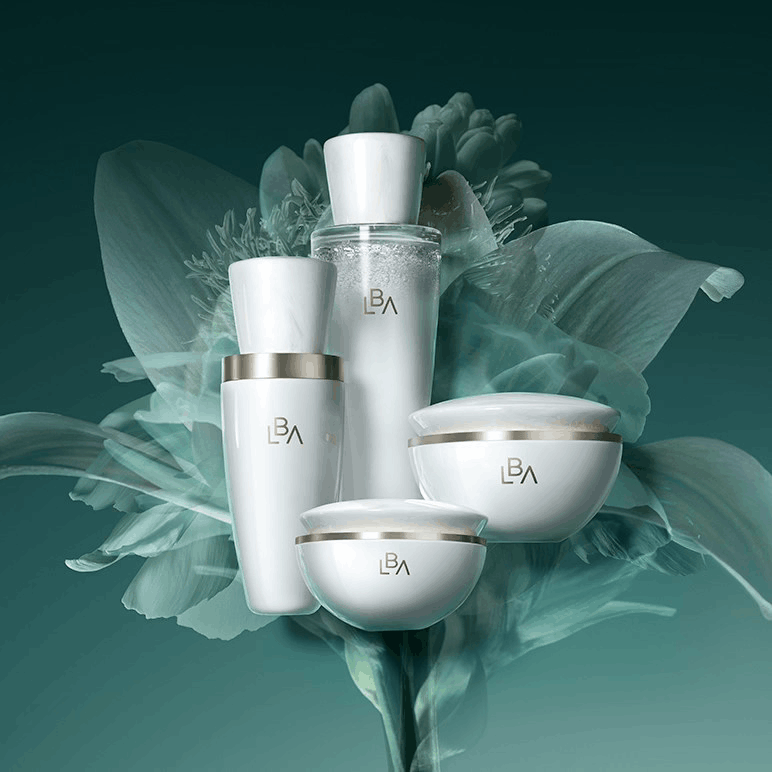
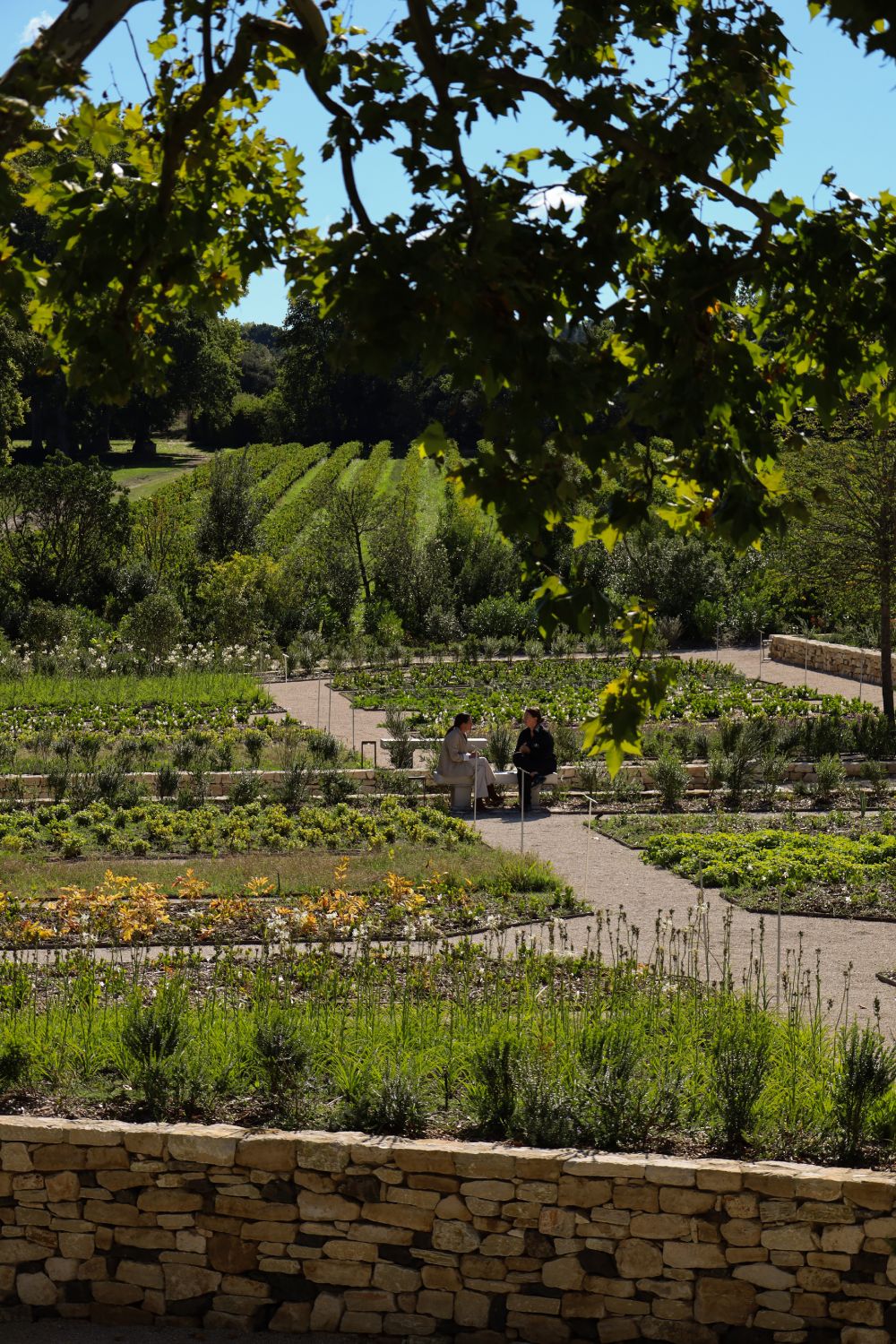
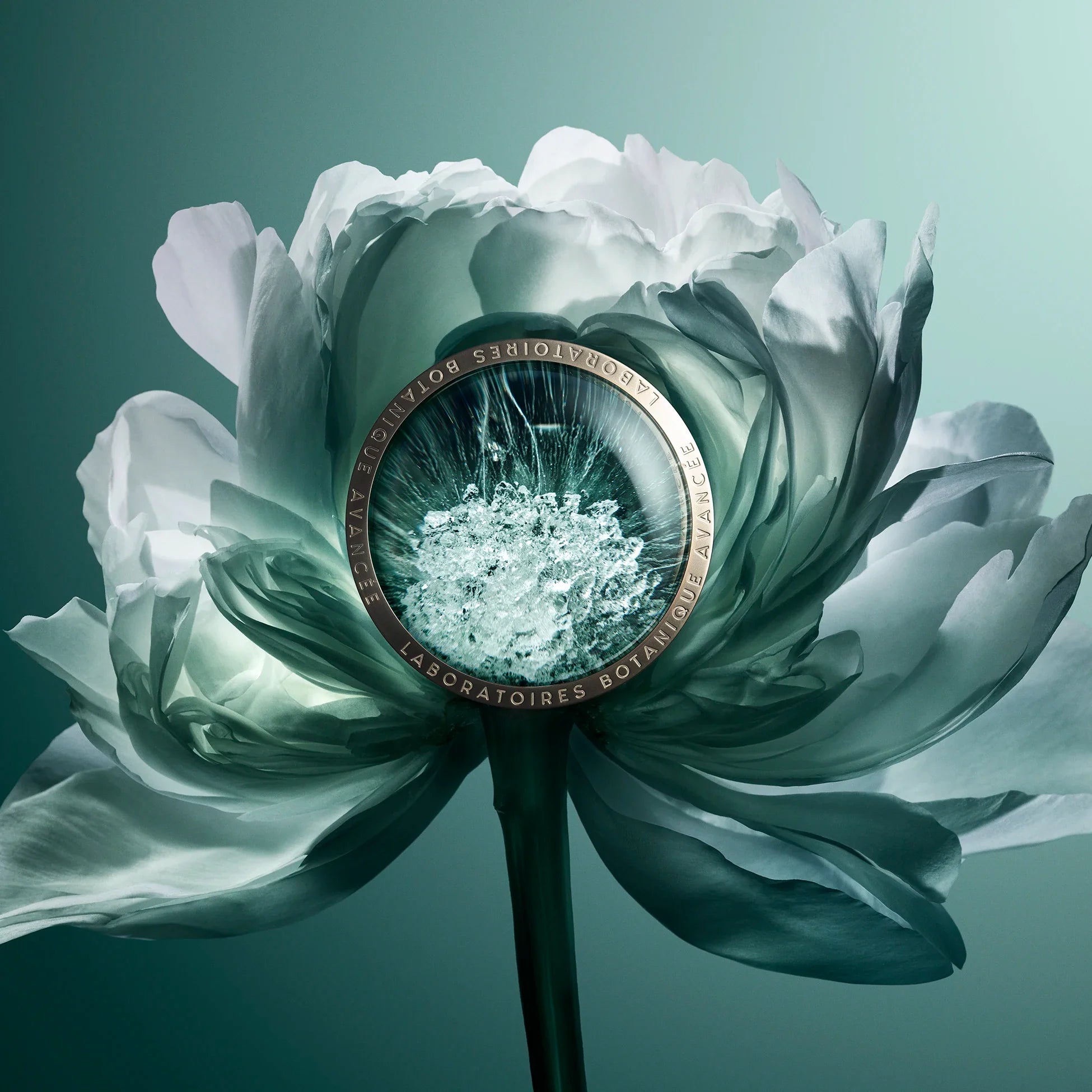
    Using advanced botanical methods, these properties are rigorously studied. Species such as the peony, white lily, and iris, grown on the volcanic soils of Domaine Baulieu, exhibit a particularly fascinating biological richness. Estate mineral character, combined with the demands of the Mediterranean climate, fosters a vitality in these plants that science is beginning to better understand.

    These plants do not replace the skin’s natural processes. Rather, they work in harmony with them, in a spirit of balance with living organisms.

    Rejuvenating facial skin: a holistic approach

    Regeneration isn't just about applying a skincare product. It requires consistency in daily routines, the environment, and lifestyle choices. It is consistency that produces lasting results, far more so than the intensity of occasional treatments.

    A tailored skincare routine creates the conditions for sustained cell renewal. It revolves around a few key steps: cleansing the skin without stripping it, protecting it from UV rays and pollution, moisturizing it to maintain its balance, and providing care tailored to its actual needs—not its perceived flaws.

    longevity regeneration and longevity

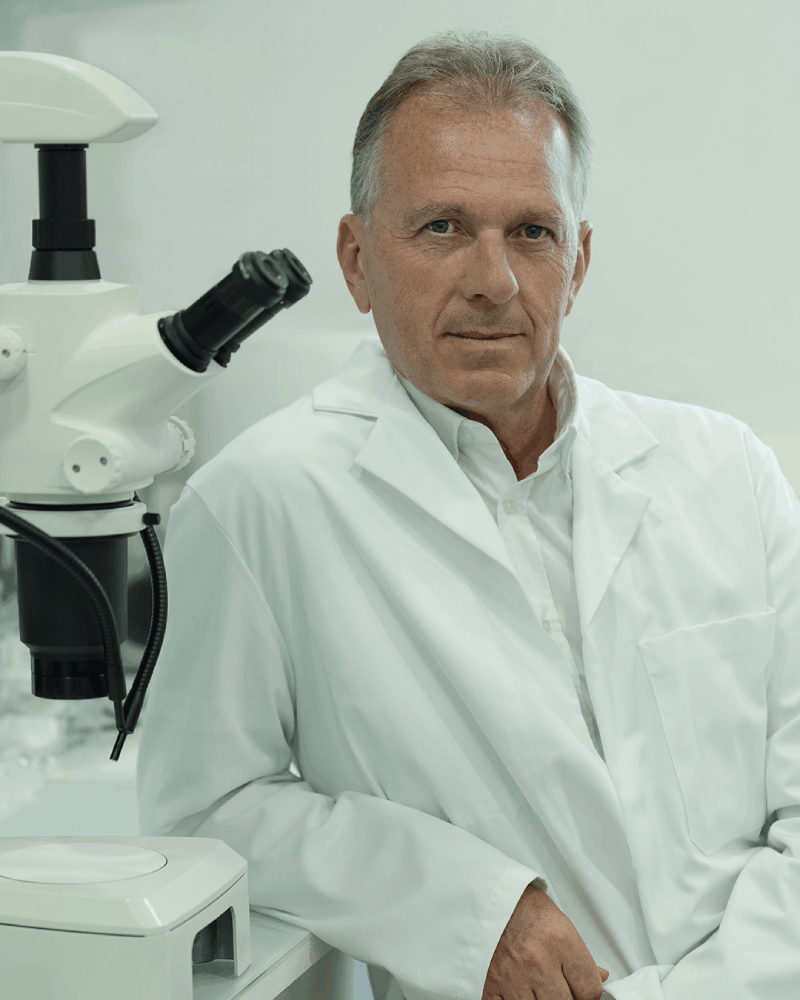
    Regeneration is at the heart of contemporary approaches to longevity . It reflects the ability of cells to maintain their functions over time, to adapt, and to withstand stress. Jean-Marc Lemaître’s research on cellular reprogramming sheds new light on this mechanism and reminds us that the skin is never static.

    The goal is not to artificially accelerate this cycle. It is to preserve it, nurture it, and give it the means to fully express itself over time. Regeneration then becomes not merely an aesthetic goal, but a driver of long-term skin vitality—what LBA calls longevity ,” or “skinspan.”

    Q&A

    My Account

    Login

    Enter your email and password to log in: