Skip to content

Your shopping cart

Your cart is empty

The skin barrier: what keeps the skin healthy over time

longevity cosmetics

The skin barrier: what keeps the skin healthy over time

Summary

    Its outermost layer,the epidermis, performs a dual function that nothing else can replace: protecting the body from external aggressors and regulating water exchange by limiting water loss. This dual role relies on a remarkably precise system composed of cells and lipids organized into a lamellar structure.

    When this structure remains intact, the skin retains its suppleness, resilience, and biological stability. When it breaks down due to environmental stressors, improper care, or the passage of time, everything else follows suit.

    The skin barrier is not just a cosmetic detail. It is the foundation of longevity .

    What the skin barrier really is

    The skin barrier relies on the precise arrangement of two components: keratinocytes and intercellular lipids. These lipids—ceramides, cholesterol, and fatty acids—form alternating layers that hold the structure together, much like the bricks and mortar of a biological wall.

    When this structure is intact, the skin retains moisture, blocks irritants, and resists damage. When it breaks down, the aging process accelerates, and the skin loses its density, radiance, and resilience.

    This isn't a metaphor; it's a measurable biological mechanism.

    The longevity barrier and longevity : the fundamental link

    Skin with an effective barrier ages more slowly. It limits environmental damage, reduces internal imbalances, and preserves the cells’ ability to regenerate. This is precisely what research on longevity has documented and what the LBA approach translates into a skincare regimen.

    Conversely, a compromised skin barrier accelerates water loss, impairs the skin’s natural repair processes, and exposes the skin to gradual deterioration. Visible signs of aging are often simply the result of a skin barrier that is no longer functioning properly.

    Signs of a compromised skin barrier

    Tightness, redness, persistent dryness, and unusual sensitivity: these signs are not to be ignored. They indicate a deeper biological imbalance: a disrupted lipid barrier, skin that can no longer retain moisture, and a weakened ability to defend against environmental stressors.

    Identifying them early allows us to take action before the imbalance becomes permanent.

    What weakens the skin barrier

    Excessive UV exposure breaks down lipids and disrupts cellular structure. Pollution and oxidative stress damage the skin’s structures. But some damage also stems from the skincare routine itself: overly harsh cleansing, excessive exfoliation, and products formulated without taking the skin’s physiology into account.

    Over time, these imbalances eventually compromise the skin's integrity, often without any obvious signs, long before visible symptoms appear.

    How to strengthen the skin barrier

    Restoring the skin barrier is not simply a matter of applying a moisturizer. It is a step-by-step process that must address several aspects simultaneously: restoring the lipid structure, supporting cell regeneration, and minimizing water loss and external stressors.

    The key principles: gentle cleansing that preserves the skin’s natural moisture barrier, regular and deep hydration, skincare products formulated to work in harmony with the skin’s physiology, and daily protection against environmental stressors.

    The LBA Approach: Prepare, Support, Protect

    At LBA, our skincare approach is designed to support the skin barrier at every stage, not to bypass it.

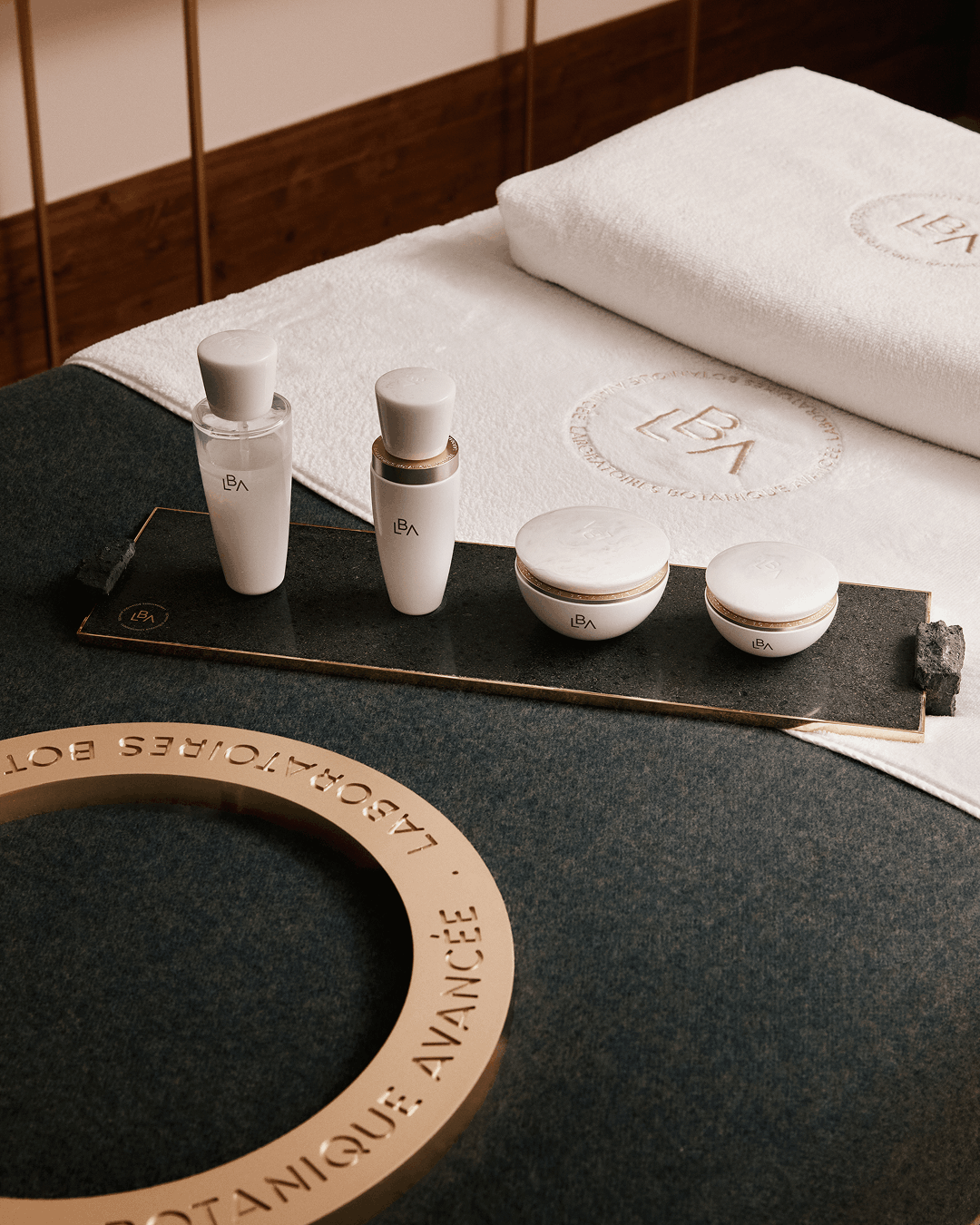
    The Hydrating infusion lotion is the first step: it prepares the skin, resets its surface, and creates an environment conducive to the bioavailability of the active ingredients that follow. Hydration is not an end in itself; it is the foundation for everything else.

    The Regenerative serum in cream then supports the biological mechanisms of cellular cohesion. Its biotechnological active ingredients, evaluated on human skin organoids, act on the deep structures of the skin.

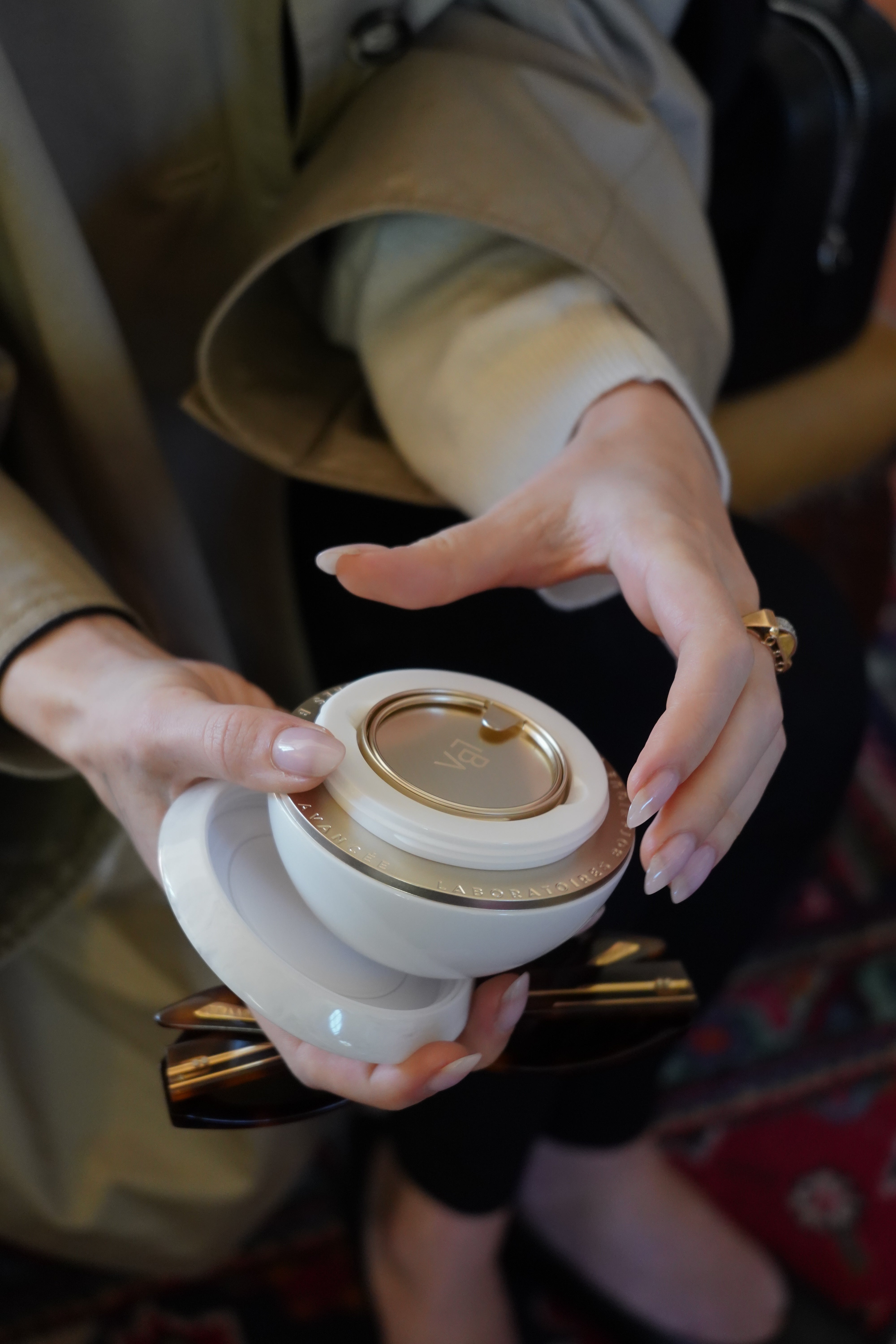
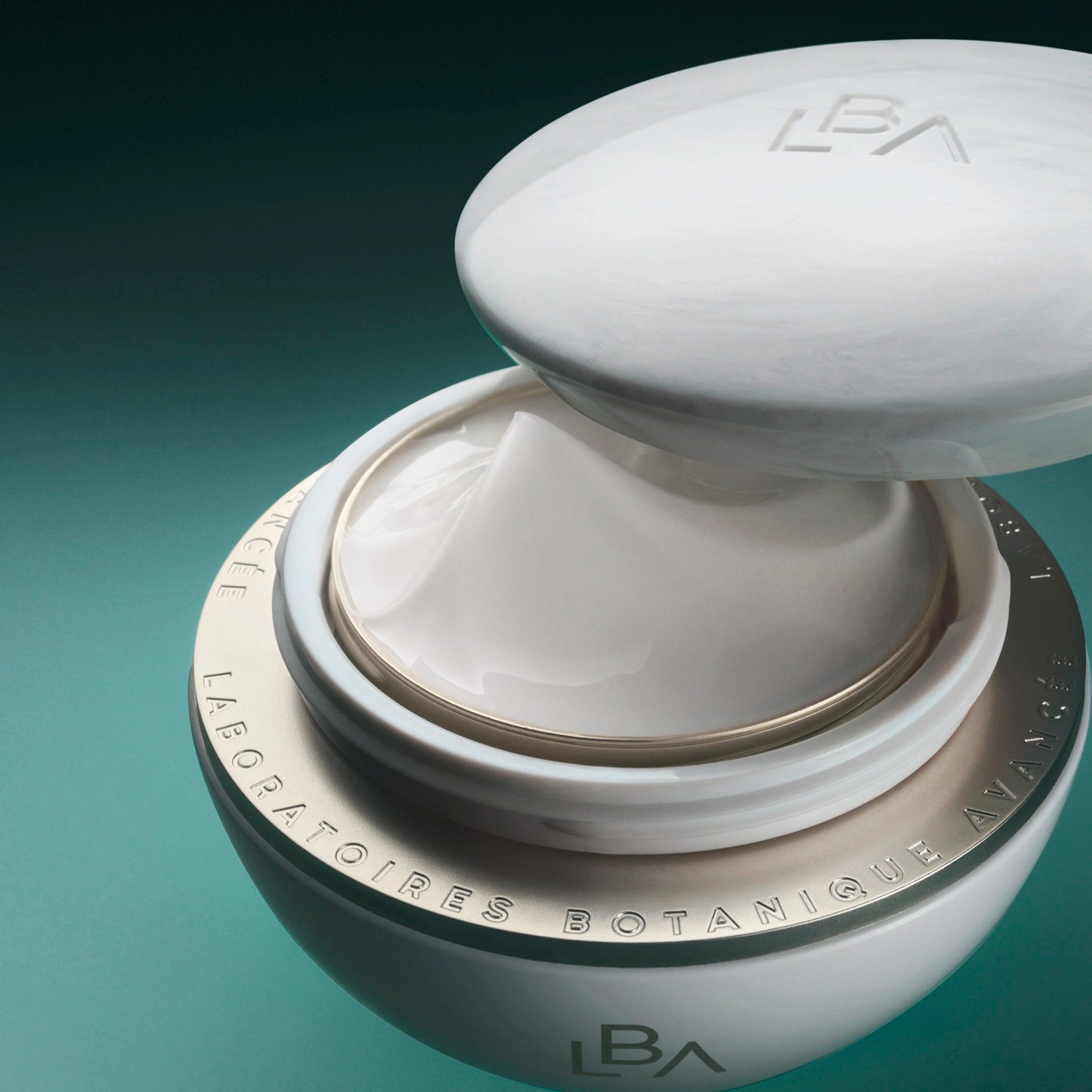
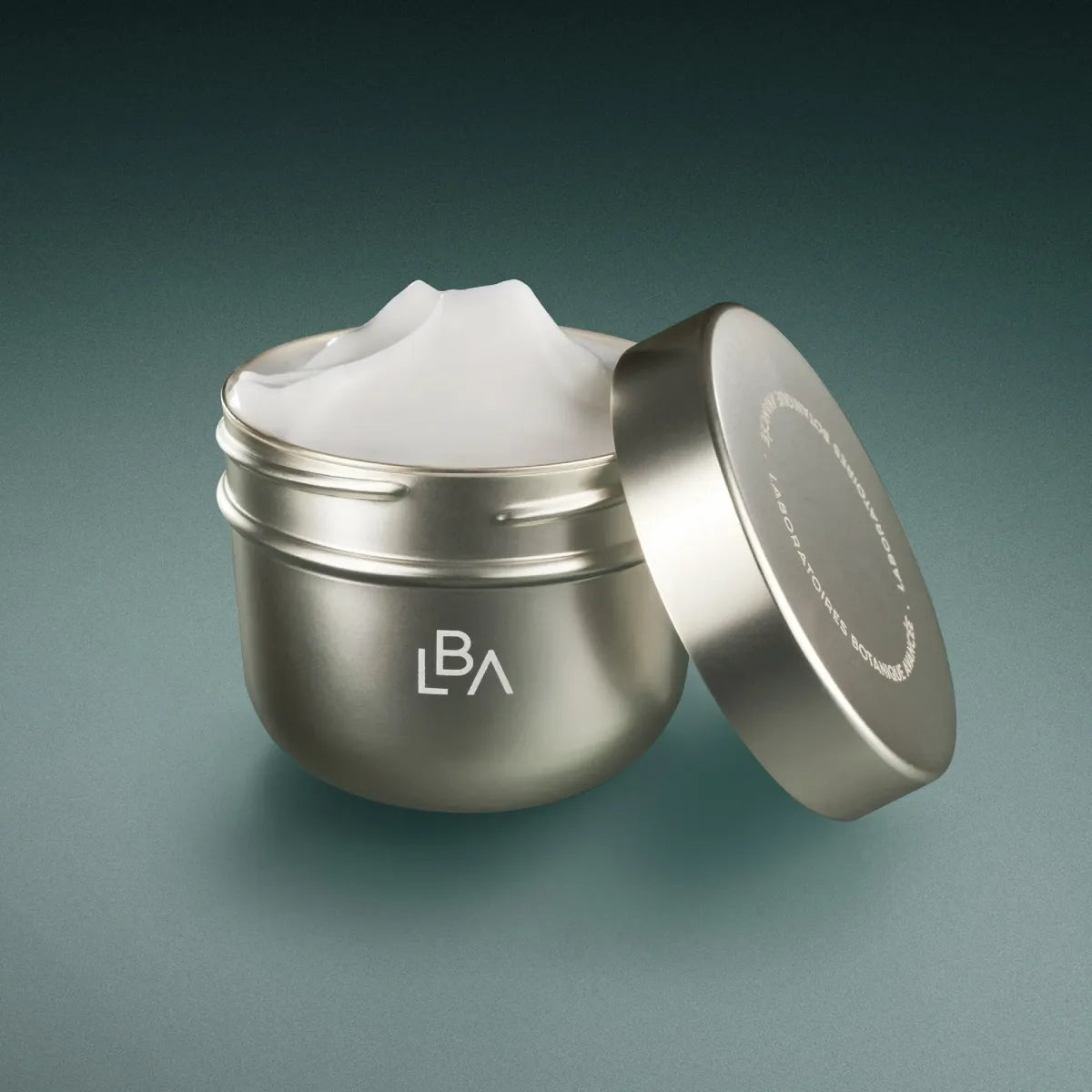
    The Regenerative melt-in creamseals in moisture and protects. Its biomimetic lamellar structures replicate the natural organization of skin lipids, limiting water loss, stabilizing the skin’s environment, and maintaining its long-term balance.

    Prepare. Support. Protect. This sequence isn’t a marketing ploy—it’s a response to the actual mechanics of the skin barrier.

    Q&A

    My Account

    Login

    Enter your email and password to log in: