Skip to content
Popular products
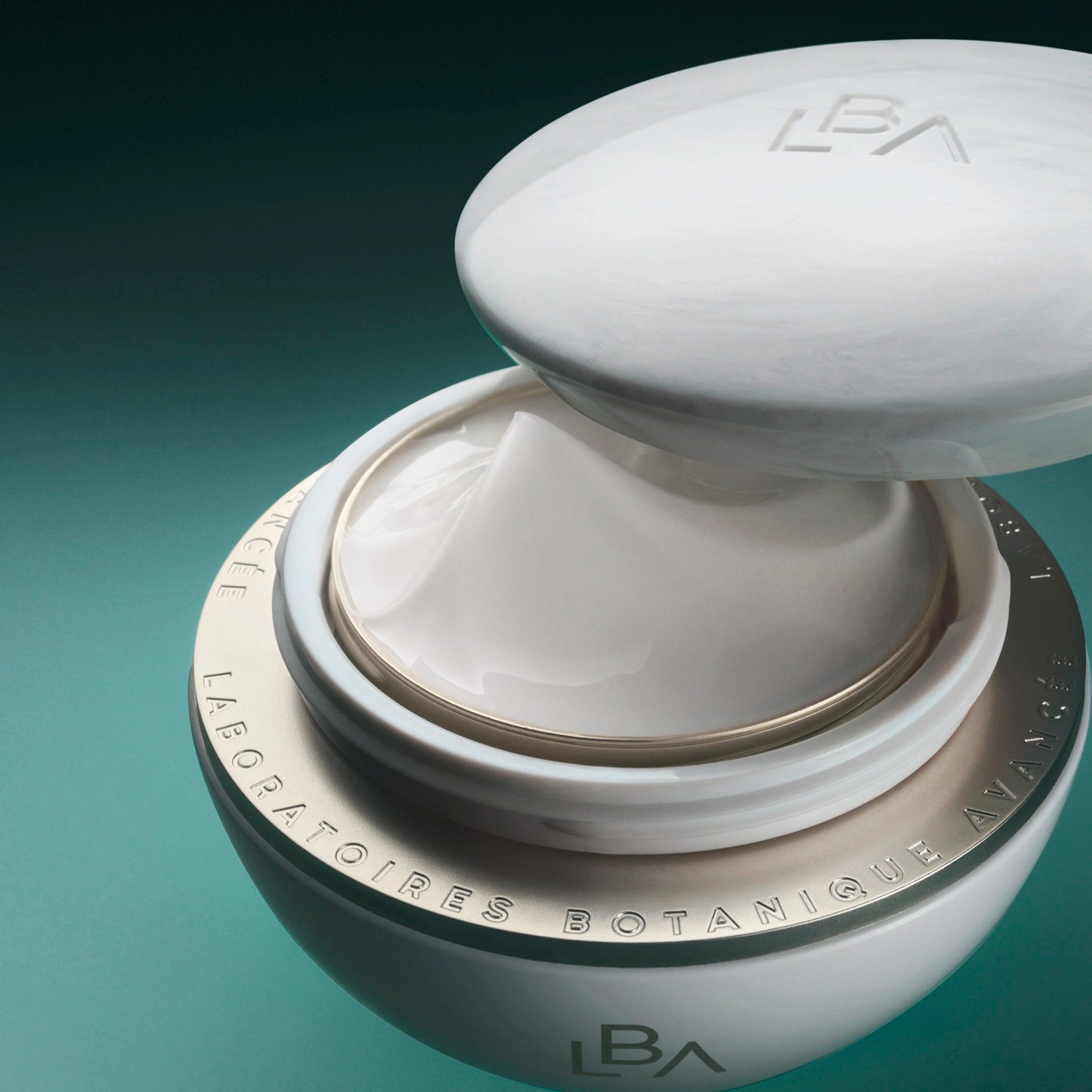
Regenerative melt-in cream
Firmness - Wrinkles - Nutrition
Starting at €330.00Buy
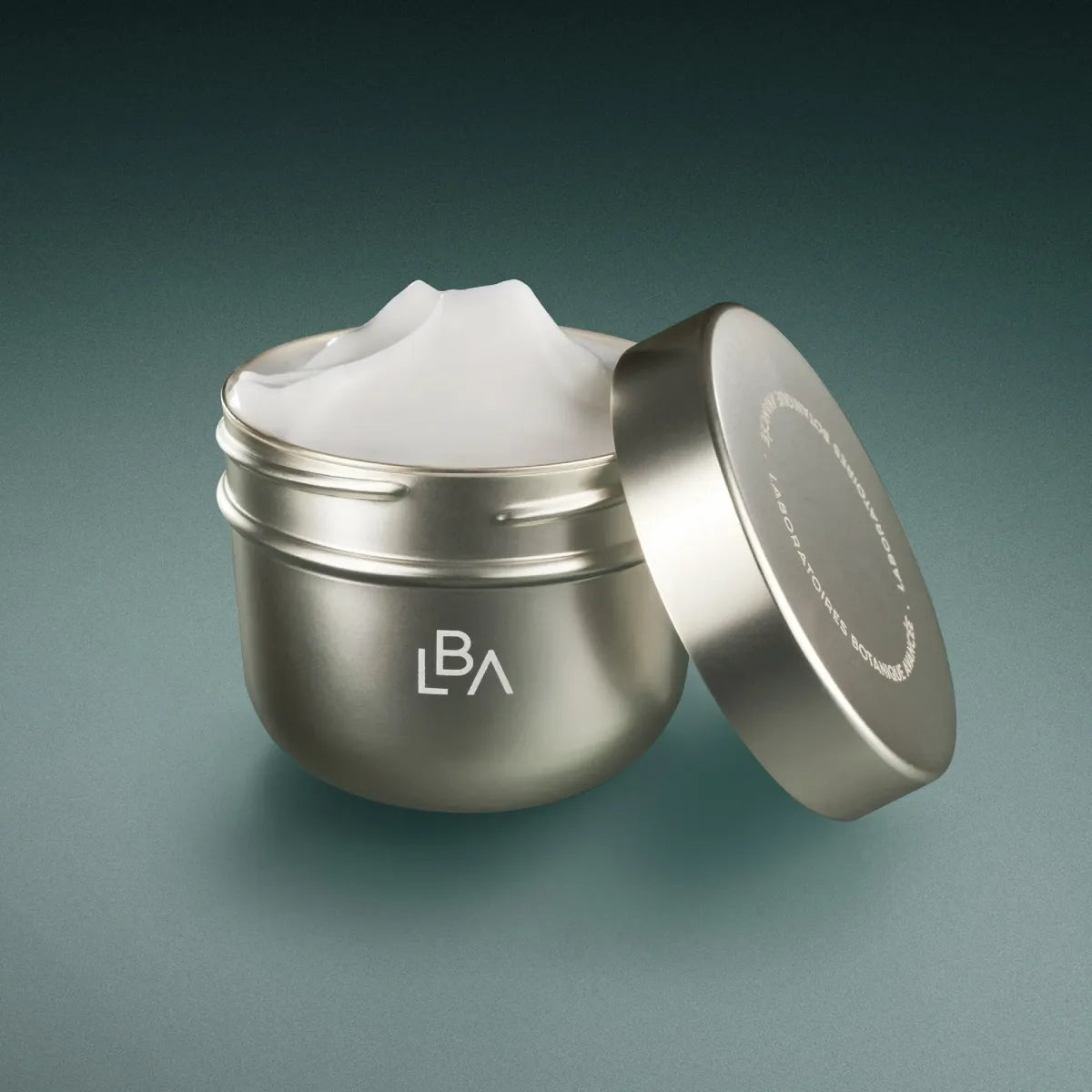
Refill Regenerative melt-in cream
Firmness - Wrinkles - Nutrition
Selling price: $330.00Buy

Your shopping cart

Your cart is empty

The Regeneration Report

Human Skin Organoids: How LBA Tests Its Formulations

Care

Human Skin Organoids: How LBA Tests Its Formulations

Summary

    Cosmetic Efficacy: Proving, Rather Than Promising

    The effectiveness of a treatment can be described. It can also be observed, measured, and documented.

    At Laboratoires Botanique Avancée, a formula is not merely a combinationof botanical active ingredients selected for their properties. It must also undergo evaluation to determine how it interacts with the skin’s biological mechanisms.

    To learn more about its proprietary technology NEO-REGEN®technology, LBA relied on a model primarily used in the fields of developmental biology and regenerative medicine: the human skin organoid.

    Unlike traditional cell culture, this three-dimensional model allows researchers to observe multiple cell types within a living tissue structure. It is no longer just a matter of determining whether a active ingredients produces a one-time response, but of tracking how skin tissue reacts over time.

    This requirement reflects our approach to cosmetic research: not merely claiming that a formula works, but seeking to understand where, how, and through which biological mechanisms it acts.

    What is a human skin organoid?

    A human skin organoid is a three-dimensional biological structure developed in a laboratory from human cells capable of differentiating and self-organizing.

    In the protocol used by LBA, the initial cells are obtained from a blood sample. They are then reprogrammed into induced pluripotent stem cells, also known as iPS cells. This step restores their ability to produce different cell types.

    Placed in a precisely controlled culture environment, they then receive a series of biological signals that guide their development. They differentiate, communicate with one another, and gradually build several elements characteristic of skin tissue.

    The result is neither a complete human skin nor a simple layer of cells aligned in a culture. It is a miniature living model that replicates certain fundamental aspects of the skin’s structure and function.

    The most complex models derived from pluripotent cells can, in particular, form a stratified epidermis, a dermal compartment, and certain skin appendages, including hair follicles. These characteristics have been documented in seminal studies on human skin organoids.

    An organoid does not replicate human skin in its entirety. It recreates certain components and biological interactions of the skin so that they can be studied.

    From blood cells to a living skin model

    The creation of an organoid is based on a fundamental property of living organisms: cellular plasticity.

    The cells collected from the blood are adult cells that are already specialized. Reprogramming allows their biological state to be altered, returning them to a pluripotent state. They then regain the ability to differentiate once again into various cell lines.

    This transformation does not involve directly converting a blood cell into a skin cell. It involves a series of steps:

    • cell collection and selection;
    • reprogramming into induced pluripotent stem cells;
    • propagation in a controlled culture medium;
    • focus on skin cell lines;
    • three-dimensional differentiation and self-organization;
    • maturation of the biological model.

    As it develops, the organoid becomes a dynamic system. Its cells continue to differentiate, exchange signals, and gradually organize the tissue.

    It is precisely this ability to self-organize that constitutes its scientific value. Instead of studying a keratinocyte or a fibroblast in isolation, researchers can observe part of the dialogue that takes place between skin cells.

    Why do organoids complement traditional cosmetic efficacy tests?

    Cosmetic research already has several evaluation models.

    Two-dimensional cell cultures allow for the precise study of a specific cell type’s response. Reconstructed skin models replicate certain skin compartments under standardized conditions. Explants, taken from human tissue, retain an architecture similar to that of the skin at the time of collection.

    Each one addresses a specific scientific question.

    Organoids, therefore, do not render these methods obsolete. They complement them by providing another level of observation: that of a three-dimensional system capable of growing, differentiating, and being monitored over time.

    Under the protocol established for LBA, the model can be observed over several weeks. The NEO-REGEN® technology was thus applied repeatedly over a three-week period, whereas many conventional protocols rely on a shorter experimental window.

    This time frame makes it possible to go beyond observing an immediate reaction and to track the progression of the associated mechanisms:

    • cell renewal;
    • cell-to-cell communication;
    • the stress response;
    • the structure of the fabric;
    • to the maintenance of its biological functions.

    The difference, therefore, does not lie solely in the model’ longevity . It stems from the ability to observe a biological response within a structure that continues to evolve during the experiment.

    The organoid doesn't just show what happens after a single application. It allows us to study how the tissue's response develops over the course of multiple applications.

    Organoids: A New Generation of Models for Cosmetic Research

    Organoids were initially developed to better understand organ formation, certain diseases, and regeneration mechanisms. They are also being studied as screening platforms to evaluate the response of human tissues to various molecules.

    Their use in cosmetic development marks a shift: formulas are no longer evaluated solely on isolated cells or based on a final visible result. They can now be studied in a more complex biological environment.

    LBA presents the protocol developed in collaboration with ORGANIPS as the first application of this specific model to the evaluation of a cosmetic technology. More specifically, this first application involves a brand’s use of the human skin organoid platform developed by ORGANIPS to test NEO-REGEN®.

    This clarification is important. It does not mean that organoids had never been used to study molecules. It highlights that LBA chose to apply its technology within a framework derived from regenerative medicine, as part of a protocol specifically designed for its evaluation.

    This approach does not seek complexity for its own sake.

    It answers a key question for LBA: How does a compound interact with living tissue when that tissue is observed over time?

    What the NEO-REGEN® evaluation reveals

    NEO-REGEN® is the exclusive technology at the heart of Laboratoires Botanique Avancée’s skincare products. Developed in collaboration with Dr. Jean-Marc Lemaître, it combines selected plant cells withBaulieu Water encapsulated in liposomes.

    In particular, the evaluation was based on an analysis of gene expression following application to the biological model.

    The results revealed the regulation of 136 genes associated with the mechanisms of skin aging.

    This data does not mean that 136 genes are simply “activated” uniformly. Some may show increased expression, while others are downregulated depending on their biological function.

    Gene modulation, on its own, does not constitute a benefit either. It must be interpreted in light of:

    • the role played by this gene;
    • the direction of the observed modulation;
    • the biological pathways in which it is involved;
    • the consistency of the response as a whole.

    The mechanisms studied include, in particular , the stress response, inflammation, cellular communication, and extracellular matrix remodeling.

    For example, the LBA data indicate a reduction in the expression of SMAD3, which is associated with certain fibrosis processes, and of SERPINA3, which is linked to inflammatory mechanisms.

    The value of the analysis, therefore, lies not only in the number 136. It lies in the mapping of a complex biological response and in the way in which the various modulations converge on the functions under study.

    Observing the action of NEO-REGEN® at various levels of life

    The skin never functions on just one level.

    A molecular change can influence a cell's behavior. Several cellular responses can, in turn, alter the organization of the tissue.

    That is why LBA approaches the evaluation of NEO-REGEN® from three complementary perspectives.

    At the molecular level

    In particular, the researchers are analyzing gene expression and the biological signaling pathways activated following the application of the technology.

    This first scale makes it possible to detect changes that are invisible to the naked eye, which may precede observable changes at the cellular or tissue level.

    At the cellular level

    The analysis focuses on cell behavior: their activity, renewal, differentiation, and ability to respond to their environment.

    It is no longer just a matter of measuring a single molecule, but of understanding how the cell adapts its functioning.

    At the tissue level

    Finally, the study examines the overall organization of the tissue: its cohesion, its structure, and the components that make up its extracellular matrix.

    The data provided by LBA also include ex vivo tests on human skin explants after eight days of application. These tests showed an increase in collagen I and fibronectin, as well as a decrease in MMP-1, an enzyme involved in the degradation of the extracellular matrix.

    These results do not all come from a single test. They are part of a broader body of evidence, in which cell cultures, organoids, explants, and clinical evaluations address different questions.

    It is their convergence that makes it possible to construct a coherent scientific argument.

    The Hallmarks of Aging: Understanding the Mechanisms of Skin Aging

    Contemporary research on the longevity no longer views aging as a single phenomenon. It studies aging as the result of several interrelated biological dysregulations, often grouped under the term “hallmarks of aging.”

    In particular, they pertain to:

    • alteration of genetic information;
    • a decline in repair capabilities;
    • cell senescence;
    • disruptions in intercellular communication;
    • low-grade chronic inflammation;
    • changes to the renewal mechanisms;
    • the deterioration of tissue structures.

    In the skin, these processes can gradually lead to a slowdown in cell turnover, a less organized extracellular matrix, a weakened skin barrier, and a reduced ability to adapt.

    The analysis of the 136 genes modulated by NEO-REGEN® is specifically designed to understand how the technology interacts with several of these biological pathways.

    This approach aligns with the philosophy behind “ longevity ” cosmetics, as championed by LBA: not to focus solely on the visible signs of skin aging, but to study the mechanisms that precede and accompany them.

    Dr. Jean-Marc Lemaître'sexpertise : Cell Regeneration

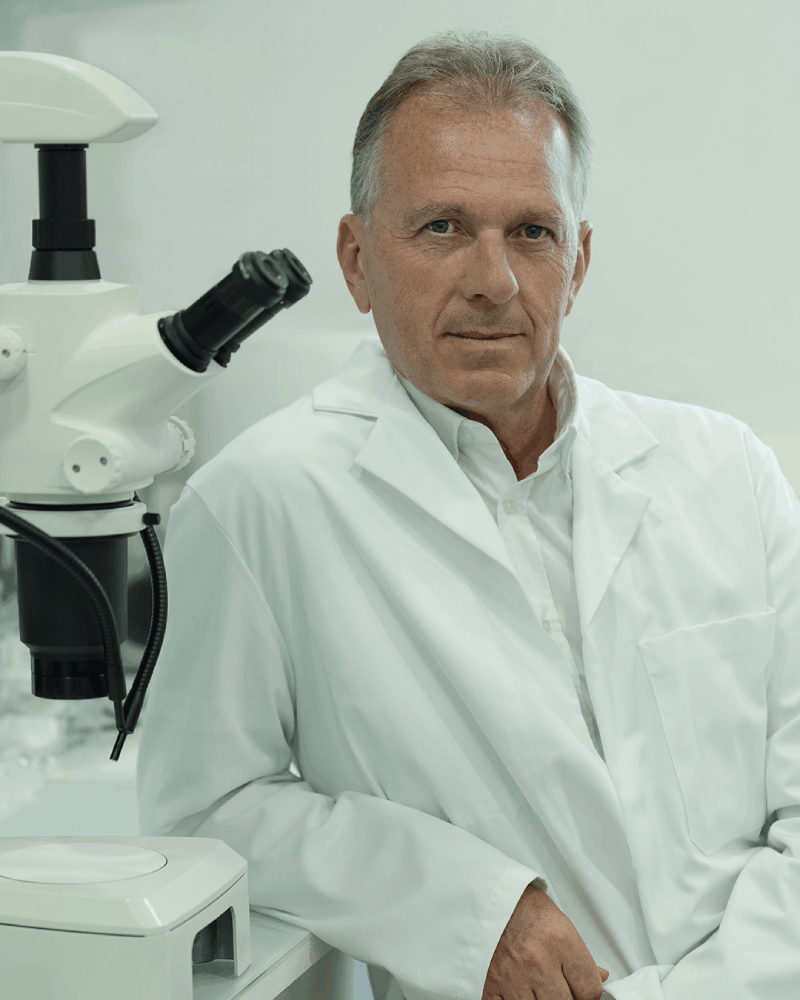
    This approach is based on the work of Dr. Jean-Marc Lemaître, a research director at theInserm and a specialist in senescence, cellular plasticity, and regenerative medicine.

    In 2011, his team demonstrated that senescent cells and cells from centenarian donors could be reprogrammed into pluripotent cells and then redifferentiated into cells with rejuvenated characteristics.

    These studies have shown that several markers associated with cellular aging could be erased in this experimental setting.

    This breakthrough does not mean that the entire human aging process can be reversed. It does, however, demonstrate that a cell’s biological age is not a completely irreversible state and that some of its characteristics can be reprogrammed under experimental conditions.

    It is this understanding of the mechanisms of cellular senescence, renewal, and regeneration that fuels the scientific collaboration with LBA.

    As Dr. Jean-Marc Lemaître points out, regeneration refers to the innate ability of living organisms to renew and repair themselves.

    The goal of cosmetic research is not to artificially replicate this process in its entirety. Rather, it is to identify the conditions and signals that can support the skin’s natural functions.

    Toward a More Personalized Skin Assessment

    The possibility of developing an organoid from a donor’s cells also opens up a particularly interesting avenue for research.

    Not all skin ages in the same way. Chronological age, genetic makeup, environmental exposure, lifestyle, and biologicalheritage s all influence how cells respond to a active ingredients , or formula.

    Ultimately, models derived from different cellular profiles could make it possible to study this variability with greater precision.

    It would then be possible to compare the response of tissues exhibiting:

    • different biological ages;
    • specific skin sensitivities;
    • varying regenerative capabilities;
    • distinct aging profiles.

    This prospect is still in the realm of research. It does not currently correspond to a form of cosmetic personalization available on an individual basis.

    Nevertheless, it highlights one of the potential benefits of organoids: enabling researchers to better account for the biological diversity of skin.

    How Organoids Are Actually Changing the Evaluation of a Treatment

    For the person using a skincare product, the sophistication of the model is valuable only if it helps to better understand and document how the formula works.

    An organoid alone does not guarantee that a biological result observed in the laboratory will be replicated identically on every person’s skin.

    No experimental model can fully replicate the influence of age, the environment, hormones, the immune system, or lifestyle.

    On the other hand, it is a particularly informative stage of the evidence-gathering process.

    It allows you to:

    • to observe the response of organized human tissue;
    • to monitor this response for several weeks;
    • to study several biological mechanisms simultaneously;
    • to better select the relevant markers for subsequent tests;
    • to supplement the results obtained from cells, explants, and human subjects.

    Effectiveness, then, is no longer based on a single piece of data. It is built step by step, using several models whose results are compared, interpreted, and put into context.

    This scientific approach aligns with the vision of Laboratoires Botanique Avancée: to develop skincare products that not only seek to correct the visible signs of aging but also to understand and support the biological functions that enable the skin to maintain its capabilities over time.

    The LBA Approach: Prove, Rather Than Promise

    longevity 's approach to cosmetics cannot be limited to the use of scientific terminology.

    It requires models, protocols, biomarkers, and results capable of putting formulations to the test.

    The human skin organoid embodies this requirement. It makes it possible to move from a single cell observed in isolation to an organized living tissue, and then from a one-time reaction to a response tracked over time.

    It does not replace explants, cell cultures, or clinical studies.

    It completes the chain of evidence.

    At Laboratoires Botanique Avancée, botany is the starting point. The formulation harnesses its potential. Scientific evaluation then allows us to observe and document its interaction with the skin’s mechanisms.

    Prove it, rather than promise it.

    This is the standard we place at the heart of LBA research.

    Q&A

    My Account

    Login

    Enter your email and password to log in: