
longevity cosmetics


INCI List
The Results
Your shopping cart
Your cart is empty

The skin regeneration profile
Summary
A cell retains the memory of everything it has been through—the sun, the seasons, the years. For a long time, it was believed that this memory could only grow heavier.
In 2011, in Montpellier, a team from Inserm collected cells from centenarians. They reprogrammed the cells. They then observed that, based on several key markers, the cells exhibited a biologically younger profile.
This finding doesn't make anyone look any younger. Yet it sheds new light on a question as old as the beauty industry itself: What if aging weren't just a process of wear and tear, but also a state of being?
In short, cellular reprogramming returns a specialized adult cell to a pluripotent state, similar to that of a stem cell. In 2011, Dr. Jean-Marc Lemaître’s team demonstrated that this process was still possible using senescent cells and cells from centenarians, resulting in the reset of several markers of aging. This plasticity is not merely a cosmetic matter. Rather, it fundamentally changes the way researchers approach the issue of skin aging.
All our cells carry nearly the same DNA. Yet a fibroblast in the dermis and a neuron have opposite functions. The difference lies in how the DNA is read: each cell activates only a portion of its genome.
As development progresses, this pattern becomes established. Some genes are turned on, while others are silenced. Epigenetic marks stabilize the whole. The cell acquires an identity.
Cell reprogramming undoes this identity. In the mid-2000s, Shinya Yamanaka demonstrated that a handful of transcription factors are sufficient to reprogram an adult cell to a state similar to that of a stem cell. These are known as induced pluripotent stem cells, or iPS cells. They can once again give rise to multiple cell types. This discovery earned him the Nobel Prize in Medicine in 2012.
An idea then occurs to me: a cell's identity is not fixed.

One question remained unanswered. Can an aging cell still be reprogrammed?
Over the years, cells accumulate the signs of aging:
Several studies have identified senescence as a barrier to reprogramming.
The team at Dr. Jean-Marc Lemaître decided to test it. His researchers worked with senescent fibroblasts and cells from centenarian donors. Using a protocol enriched with six factors, they reprogrammed the cells to a pluripotent state and then redifferentiated them into fibroblasts.
The article was published in November 2011 in *Genes & Development*, with Laure Lapasset as the first author and Jean-Marc Lemaître as the lead author. The results are clear. Telomere length, gene expression profiles, oxidative stress, and mitochondrial metabolism: these markers have been reset. The new fibroblasts exhibit several characteristics of young cells.
No one was made younger. But one thing has become clear: part of cellular aging is due to a biological state, and that state can be reshaped. This does not mean that all age-related changes are reversible, nor that an entire organism could be.
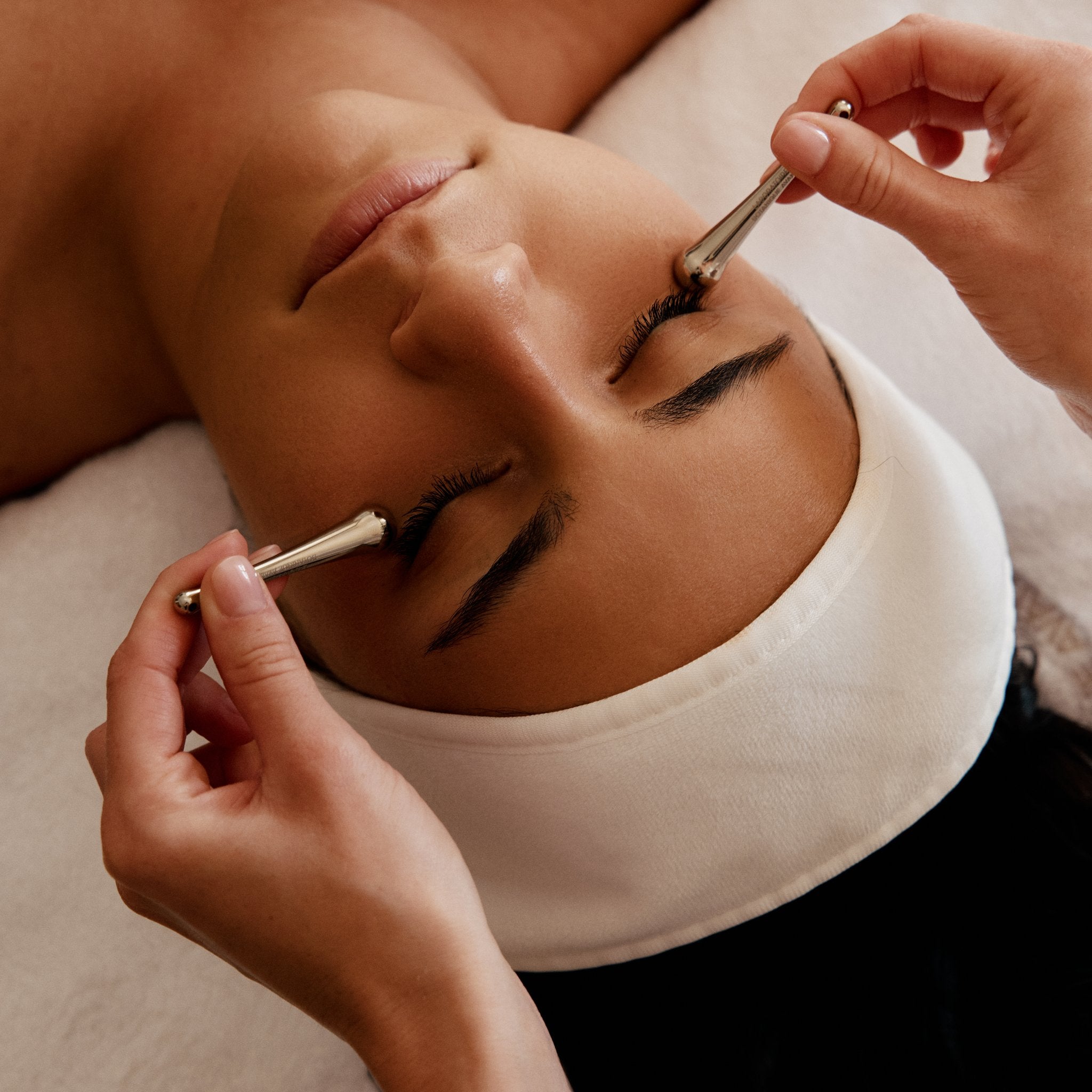
Chronological age counts the years. Biological age describes the actual condition of a tissue or cell. The two do not always tell the same st heritage.
The skin shows this better than any other organ. It ages over time, but also due to UV exposure, pollution, hormonal changes, and lifestyle. Two people of the same age do not have the same skin.
Some alterations are forms of damage. Others affect the way a cell regulates its genome, communicates, and responds to its environment. It is this second aspect that reprogramming sheds light on. And it is this aspect that makes the skin a key organ in longevity.
Imagine a library. Every cell has the same books. None of them reads the same pages.
Epigenetics acts as a bookmark. Chemical modifications to DNA—and the proteins that organize it—indicate which genes can be expressed and which remain silent. As we age, these bookmarks shift. Certain programs lose precision. The cell’s functional identity becomes less stable.
By restoring a cell to a pluripotent state, reprogramming erases or reorganizes some of these marks. This is what makes it a key tool for understanding aging.

The skin is constantly renewing itself. It consists of several cell populations, each with its own role:
Over time, this system does not die off. It changes state. Cells enter senescence. Communication between them breaks down. The matrix becomes disorganized. Repair slows down.
This raises a new question: What if skin aging were less a loss than a gradual transformation of cellular function?
No. And we need to make that clear.
Complete reprogramming is a laboratory procedure. It transforms the very identity of the cell. No topical treatment can turn a fibroblast into a pluripotent cell.
However, this research has shifted the focus of the question. Rather than counteracting the effects of time, research can examine what determines a cell’s state:
This is the philosophy behind longevity 's skincare line. Its goal is not to "reprogram" the skin, but rather to better understand and support the mechanisms that enable the skin's cells to maintain their functions—an approach closely aligned with preventive medicine.
The path of partial reprogramming. Research is now exploring a more subtle approach: briefly exposing a cell to certain reprogramming factors. The goal is to modify markers of aging without erasing the cell’s identity. A fibroblast would remain a fibroblast, but with certain characteristics of a younger state. This approach is generating considerable interest. It remains experimental: its controllability, stability, and safety are still under investigation.
That same plasticity is now being used to build new tissue. When reprogrammed into iPS cells, adult cells can be directed to develop into different skin cell lines. Under the right conditions, they self-organize. They form an organoid: a three-dimensional model of skin.
Organoids allow us to observe the interaction between cell populations and the response of an organized tissue to a treatment. Reprogramming and organoids are part of the same revolution: understanding living organisms through the plasticity of their cells.
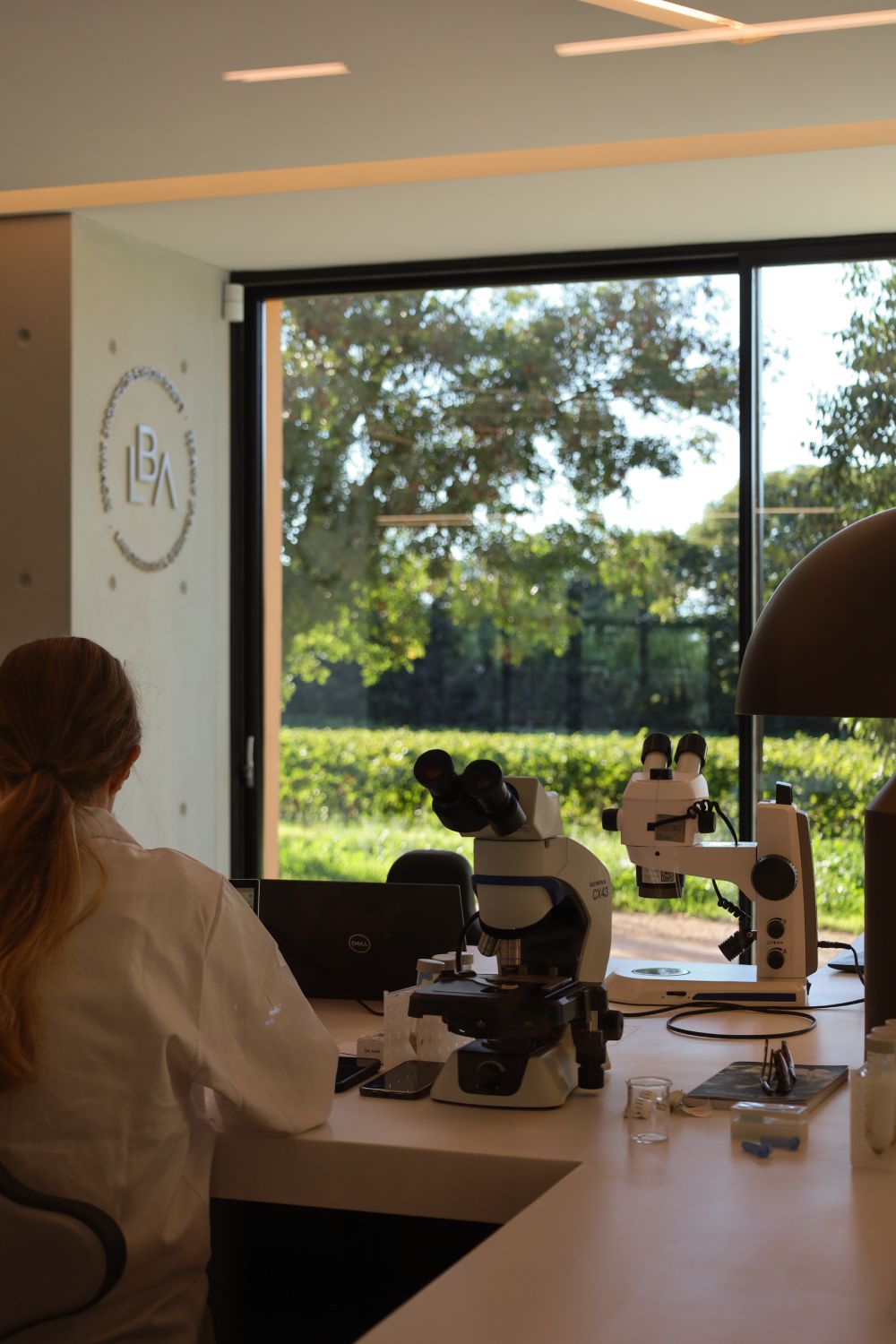
It is in this spirit that Laboratoires Botanique Avancée is collaborating with Dr. Jean-Marc Lemaitre, research director at Inserm , and co-director of the Montpellier Institute of Regenerative Medicine and Biotherapies. His work does not offer a formula for rejuvenating the skin. It offers something better : an understanding of aging as a dynamic process.
NEO-REGEN™ technology, co-developed with his team, focuses on several mechanisms of skin aging and on how a formula can modulate certain biological responses. It is being evaluated using cellular, ex vivo, and organoid models to study its effects at various levels of living systems.
Our goal is not to replicate a reprogramming process. Rather, it is to apply the standards of regenerative medicine to a cosmetic issue: How can we support the mechanisms that enable the skin to maintain its functions over time? Our work on cell activation builds on this approach.

For decades, the cosmetics industry has sought to erase the signs of aging: a wrinkle, sagging skin, a loss of radiance.
longevity al biology offers a different perspective. It does not seek to turn back the clock. It seeks to understand what enables tissue to function properly, despite the passage of time.
Reprogramming has promised neither cellular immortality nor the reversal of aging. It has transformed the question. It is no longer a matter of correcting what time has altered. It is a matter of understanding what enables a cell to retain its capabilities for longer.
When it comes to the skin, this phenomenon has a name: skinspan.
At Laboratoires Botanique Avancée, she established a vision: to stop fighting the passage of time and, instead, to understand living organisms well enough to support their natural “ longevity.”
A laboratory technique that reprograms a specialized adult cell back to a pluripotent state. The cell then regains the ability to develop into different cell types.
An induced pluripotent stem cell: an adult cell that has been reprogrammed to regain properties similar to those of a stem cell. This discovery earned Shinya Yamanaka the Nobel Prize in Medicine in 2012.
Research Director at Inserm , and Co-Director of the Montpellier Institute of Regenerative Medicine and Biotherapies. His research focuses on genome plasticity and cellular aging.
Published in *Genes & Development*, the findings show that senescent cells and cells from centenarian donors can be reprogrammed and then redifferentiated into cells that exhibit several characteristics of a younger biological state.
Certain signs of cellular aging can be significantly altered under experimental conditions. There is no evidence that the aging of an entire organism can be reversed.
Reprogramming profoundly reorganizes the cell's epigenetic state. Marks acquired during differentiation and aging can thus be modified or reset.
Exposure to certain reprogramming factors can alter markers of aging without the cell losing its identity. This approach remains experimental.
They are among the most commonly used cells in reprogramming. Research conducted in 2011 focused on senescent fibroblasts and fibroblasts from centenarian donors.
Adult cells reprogrammed into iPS cells can be differentiated into several types of skin cells. Their ability to self-organize makes it possible to create three-dimensional skin models: organoids.
They show that cellular aging is not merely an accumulation of damage. It also involves changes in the functional and epigenetic state of cells. This has led to the development of skincare products focused on maintaining skin function over time.
JOIN LE CERCLE
Sign up for our newsletter to gain access to the Cercle LBA: expertise, dedicated concierge services, and personalized attention.
Our concierge team is available on WhatsApp to assist you:+33 6 32 79 69 60
By clicking "Confirm," I agree to receive the newsletter. For more information, read the Privacy Policy.
My Account
Password reset
Enter the email address used for your account and we will send you a link to reset your password.
