longevity cosmetics
Your shopping cart
Your cart is empty

Summary
Mature skin isn't old skin; it's skin where the rules of the game have changed.
This shift is fundamental. It shifts the focus from "how to correct" to "how to understand" and radically changes the way we approach care.

Skin aging doesn't happen overnight. It sets in gradually, silently, long before the first signs appear on the surface.
What changes first and foremost are not outward appearances, but the underlying mechanisms. Slowed keratinocyte turnover, declining ceramide production, and a growing imbalance between the synthesis and breakdown of dermal fibers. These are specific biological changes that follow their own timeline, regardless of the age listed on a passport.
Two people of the same age may have radically different skin conditions. Aging is more of a functional phenomenon than a marker of time.

The first change involves the cell turnover rate. The keratinocyte cycle, which lasts about 28 days in young adults, can extend to 45 or 60 days with age. Corneocytes remain on the skin’s surface for longer. The skin’s radiance fades. Its texture changes.
The second factor concerns the skin barrier. Ceramides, structural lipids that account for approximately 50% of the lipids in the stratum corneum, gradually decrease. This reduction weakens the lamellar structure of the skin barrier, increases TEWL, and leads to a state of chronic dehydration that often goes unnoticed before becoming visible.
The third factor concerns dermal fibers. Fibroblasts produce less type I collagen starting in one’s thirties, at a rate of about 1% less per year. At the same time, the activity of MMPs (matrix metalloproteinases)—enzymes responsible for fiber breakdown—tends to increase over time and due to environmental stressors. This progressive imbalance between synthesis and breakdown explains the loss of density long before it becomes noticeable to the touch.

Oxidative stress: the silent destroyer
Oxidative stress is a common topic in discussions about aging, yet it remains one of the least understood phenomena.
It refers to the imbalance between the production of free radicals and the skin’s ability to neutralize them. These unstable molecules, generated by UV rays, pollution, tobacco, and even simple cellular metabolism, damage membrane lipids through peroxidation, break down collagen and elastin fibers, and alter the DNA of keratinocytes and fibroblasts.
The damage is cumulative. It builds up over the years before becoming visible on the skin’s surface. And as we age, the skin’s endogenous antioxidant systems—superoxide dismutase and catalase—become less effective. This is not a trivial issue. It is one of the fundamental biological reasons why a regular supply of external antioxidants gradually becomes structurally necessary.

Dehydration in mature skin isn't a lack of water; it's a structural issue.
When ceramide levels decrease, the structure of the lipid bilayers in the stratum corneum becomes compromised. The barrier becomes less impermeable. TEWL increases. The skin enters a state of chronic dehydration, which slows down enzymatic activity, impairs cell turnover, and reduces tissue elasticity.
Moisturizing mature skin, therefore, means working to restore and maintain this lipid structure. It’s not simply a matter of applying water to the surface. The distinction is not cosmetic but biological.
Mature skin hasn't lost its ability to regenerate; it has simply slowed down.
Fibroblasts continue to produce collagen and elastin. Keratinocytes continue to regenerate. What has changed is the balance between production and breakdown, as well as the rate at which these processes occur. The skin becomes slower to respond, slower to recover, and more vulnerable to damage.
What care can do in this context is not to force mechanisms that have their own rhythm. Rather, it is to create the biological conditions conducive to their expression, while respecting the logic of life rather than trying to bypass it.
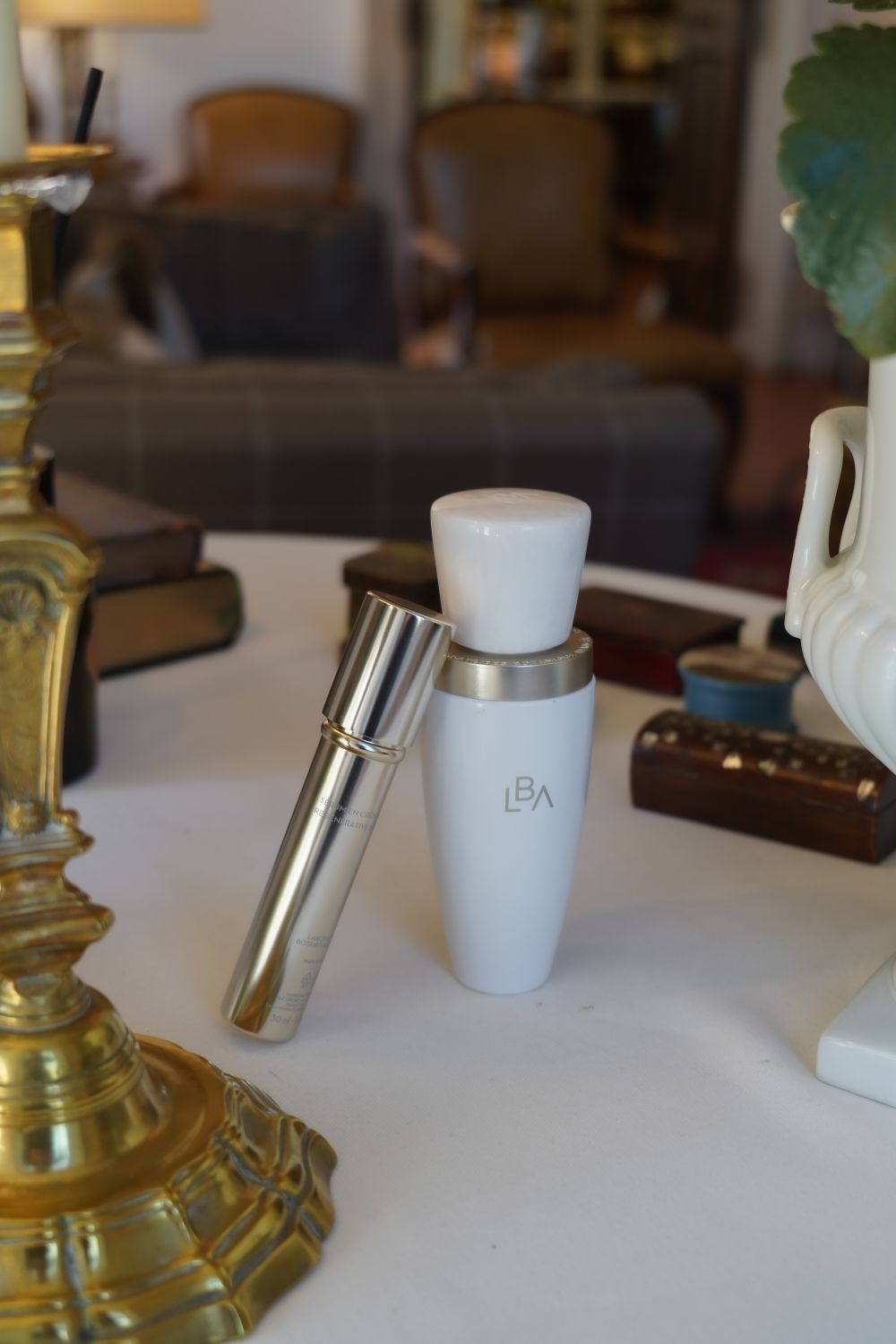
The Hydrating infusion lotion from Laboratoires Botanique Avancée works to restore and maintain the lipid balance of mature skin.

Mature skin doesn't need to be made to look like something it isn't. It needs to be understood—to know what it needs.
When it comes to longevity , the goal is not to turn back the clock. It is to preserve the skin’s biological functions for as long as possible by working with its natural processes, respecting its rhythms, and supporting what can be supported.
Maturity, when properly understood, is an invitation to care for others more wisely.
Skin in which several biological mechanisms function less effectively: slowed keratinocyte turnover, declining production of ceramides and collagen, and a progressive imbalance between the synthesis and breakdown of dermal fibers. This is not an aesthetic category defined by age, but a functional condition.
The decline in type I collagen begins in one’s thirties, at a rate of about 1% per year. The decrease in ceramides and the slowing of the keratinocyte cycle gradually set in starting around this time. The age at which these changes become visible on the skin’s surface depends on genetics, sun exposure, and lifestyle.
Intrinsic aging is genetically programmed: it involves a universal and inevitable slowing down of the mechanisms of synthesis and renewal. Photoaging is caused by UVA rays, which activate MMPs in the dermis and generate intense oxidative stress. It is estimated to be responsible for 80% of the visible signs of facial aging in fair-skinned individuals and is largely preventable.
Because ceramide production decreases. These structural lipids, which account for about 50% of the lipids in the stratum corneum, are essential for the organization of the lipid barrier. Their decline weakens this structure, increases TEWL, and gradually leads to a state of chronic dehydration, which often goes unnoticed before becoming visible.
Because it is cumulative and invisible in its early stages. Free radicals damage membrane lipids, break down collagen and elastin fibers, and alter cellular DNA—over the course of years, before any visible signs appear. As we age, the skin’s endogenous antioxidant systems weaken, making a regular supply of external antioxidants all the more important.
Yes, but at a slower pace and with reduced efficiency. The mechanisms of synthesis and renewal are still active. What changes is their balance with degradation, and the speed at which they occur. Appropriate care can create the biological conditions conducive to their expression, without forcing them.
It often retains its elasticity for longer, thanks to sebum production that supports the skin’s hydrolipidic film. However, it remains vulnerable to oxidative stress, the breakdown of dermal fibers, and a slowdown in cell turnover. Sebum does not protect against intrinsic aging or photoaging.
Skincare products that target the underlying mechanisms: support for the lipid structure of the skin barrier, active ingredients that promote tissue cohesion, antioxidants to limit cumulative damage, and regenerating agents suitable for more sensitive skin. Consistency in application is just as crucial as the quality of the formulations.
Plant stem cells
a scientific innovation
Exceptional formulas
proven effectiveness
A unique domaine
a botanical legacy
Plant stem cells
a scientific innovation
Exceptional formulas
proven effectiveness
A unique domaine
a botanical legacy
Sign up for our newsletter to gain access to the LBA Circle: expertise, dedicated concierge services, and personalized attention.
Our concierge team is available on WhatsApp to assist you:+33 6 32 79 69 60
By clicking "Confirm," I agree to receive the newsletter. For more information, read the Privacy Policy.
My Account
Enter the email address used for your account and we will send you a link to reset your password.