Botanical intelligence
Your shopping cart
Your cart is empty

Summary
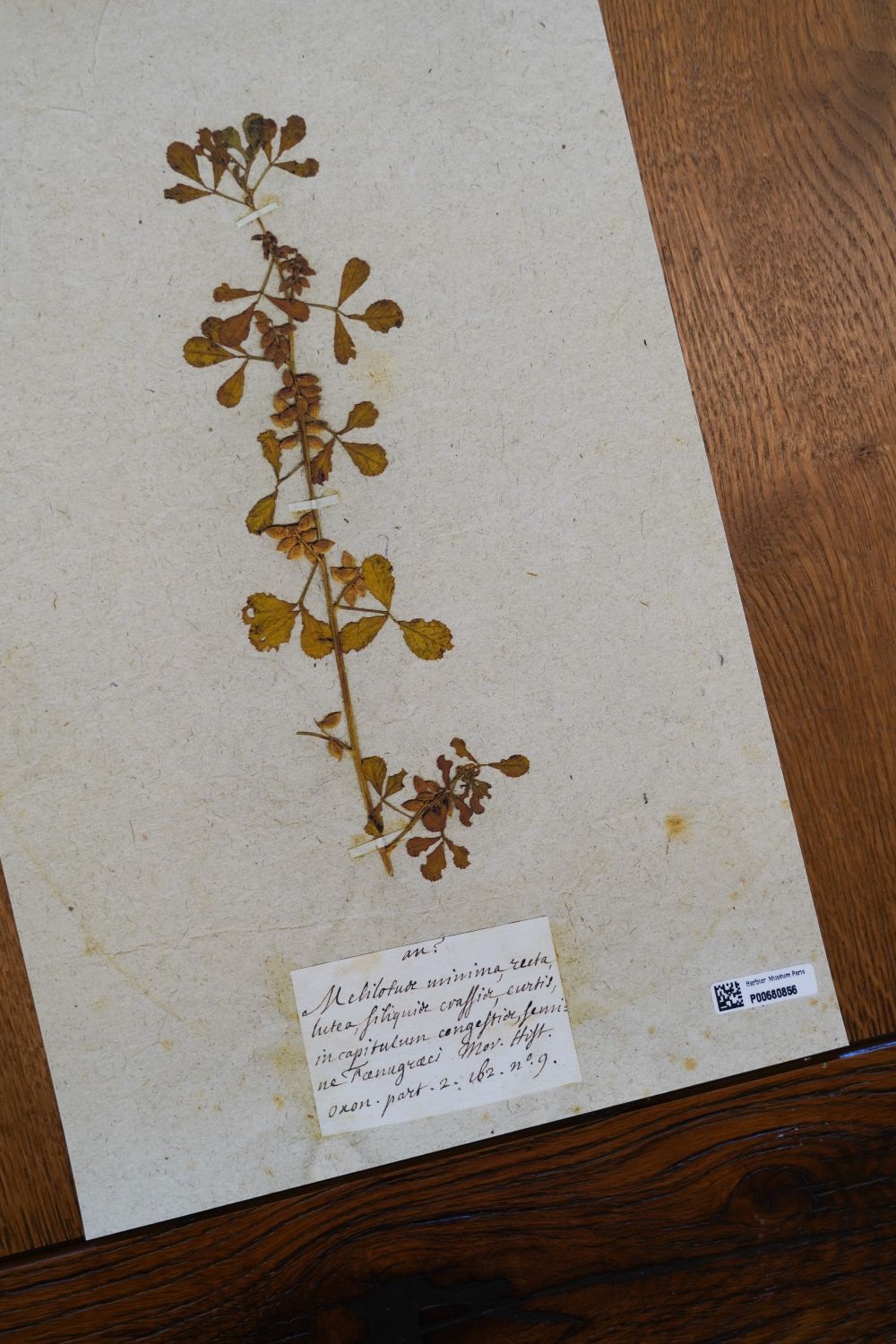
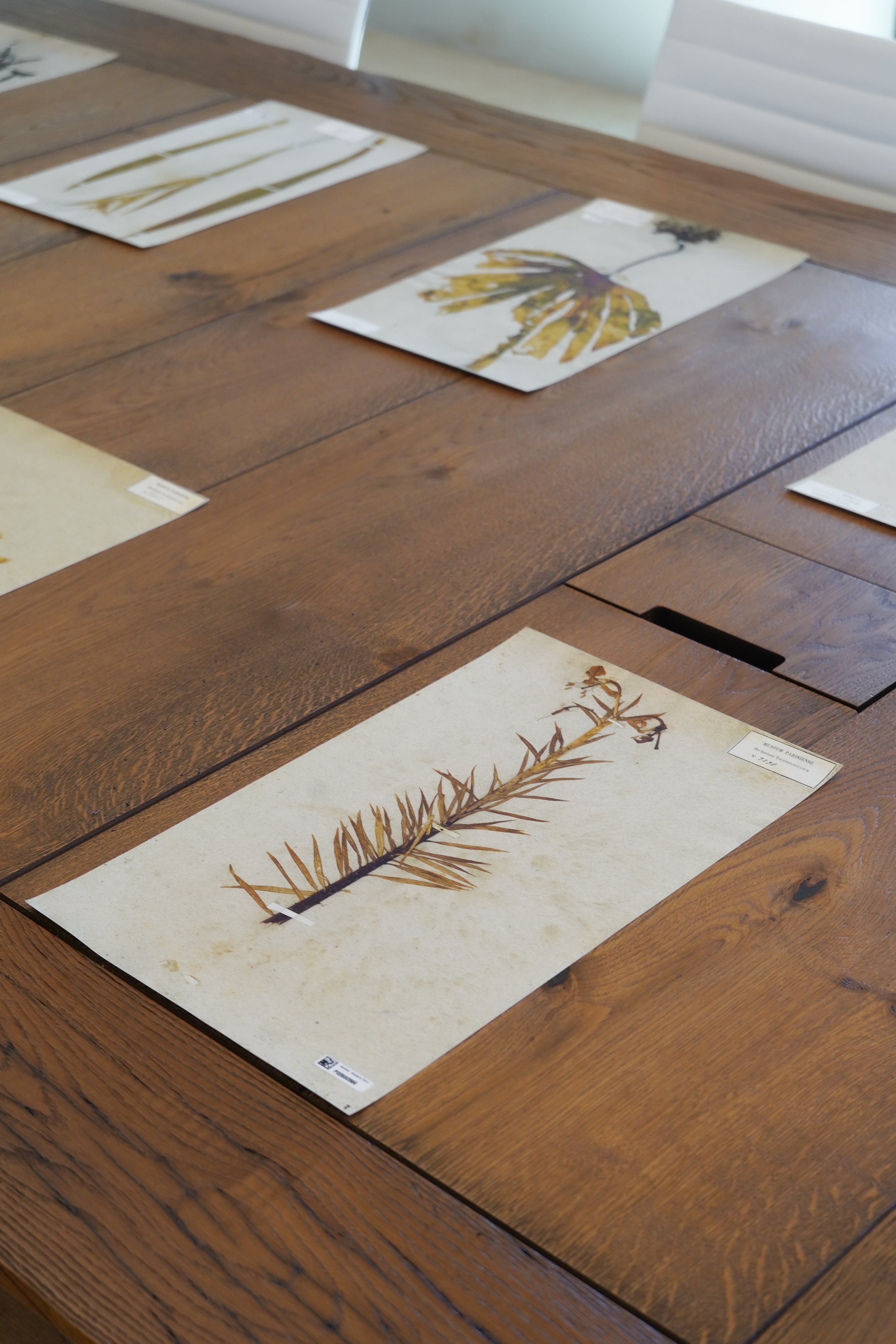
Long before the advent of modern cosmetics, ancient civilizations had understood something we are rediscovering today: the skin responds to plant-based ingredients. In Egypt, Greece, and Asia, plant extracts played a central role in skincare rituals. This was not due to blind tradition, but to rigorous observation, passed down from generation to generation.
These practices constituted the earliest forms of pharmacopoeias. They raised a fundamental question—the same one researchers ask themselves today: What can a particular plant, in a particular environment, do for the skin? And why?
This thread, stretching from antiquity to the plant biotechnology laboratory, has never been severed. It has simply grown finer.

It would be simplistic to view ancient pharmacopoeias as merely a collection of folk remedies. These collections were based on centuries of observation, experimentation, and meticulous transmission. Each plant was associated with specific uses, grounded in observed and repeated effects on the body and skin.
Chamomile to soothe and calm sensitive skin; calendula to support skin repair; sage for its purifying properties; rose tobrighten the complexion. These combinations were not chosen at random. They reflected a keen observation, accumulated over generations, of the skin’s response to plants.
This empirical knowledge now serves as a valuable guide for research. It helps direct the study of plants by identifying those that have genuine biological benefits for the skin, even before they have been thoroughly investigated through chemical analysis.

Scientific research has irreversibly transformed our understanding of plants. It does not call traditional knowledge into question; rather, it sheds light on it, confirms it, or refines it by identifying the biological mechanisms that explain what tradition had long suspected.
Polyphenols, flavonoids, and certain organic acids: these compounds play a key role in protecting and regulating skin cells. They can help limit the effects of oxidative stress, support regenerative processes, and maintain the integrity of skin structures.
One key point needs to be made clear: plants do not contain collagen. Collagen is an animal protein. What certain plants do contain are molecules capable of supporting the biological mechanisms that allow the skin to maintain its own collagen production. This distinction is crucial. It sets scientific cosmetics apart from mere marketing hype.
Plants are not "miracle cures." They act as biological modulators: subtle, precise, and long-lasting.

Certain plant species are currently of particular scientific interest. Their molecular complexity and their ability to produce protective compounds in harsh environments make them exceptional candidates for cutting-edge cosmetics.
The peony, Paeonia officinalis, is one such plant. Used since ancient times for its anti-inflammatory properties, it contains paeoniflorin: a compound with soothing properties that modern biochemistry has identified, analyzed, and confirmed. The white lily, Lilium candidum, found in all major European pharmacopoeias, contains polysaccharides with softening and restorative properties that are still being studied today.
Iris, green tea, and centella asiatica: these are all plants with beneficial properties that help maintain skin balance, improve the appearance of the complexion, and support the skin’s natural regeneration process.
These plants do not "rejuvenate" the skin in the strict sense of the term. They help maintain its biological functions over time, which can significantly and lastingly improve its appearance. It is precisely this distinction between correcting and preserving that LBA has embraced.
The use of plants is not limited to topical application. In many traditions, they are also consumed in the form of infusions, decoctions, and extracts. This systemic approach, which links the skin to the body’s overall functioning, is now supported by science.
Green tea and its polyphenols; rosemary and its antioxidant compounds; blueberries and pomegranate seeds and their protective pigments; nettle and its exceptional mineral content. These plants help protect cells from external stressors and regulate biological processes throughout the entire body.
The skin is not an isolated surface. It is the visible reflection of an overall biological balance. Truly effective skincare cannot ignore this reality.

Using a plant in cosmetics doesn't mean simply adding a raw extract to a cream. That's a shortcut that's as appealing as it is inaccurate.
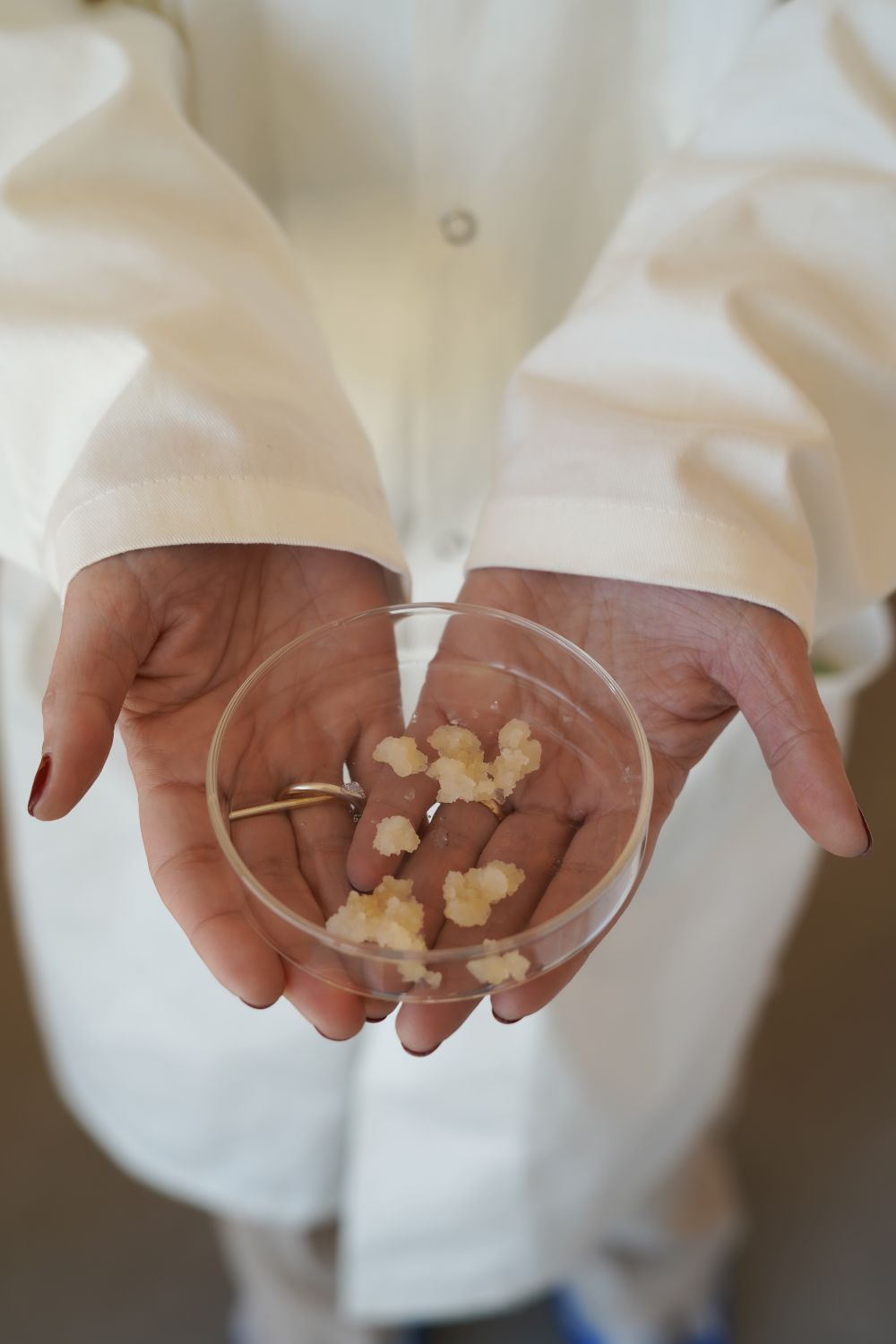
Transforming a plant into active ingredients effective active ingredients requires a rigorous scientific process: identifying the molecules of interest among thousands of compounds; extracting them without denaturing them; stabilizing them so they remain active in the formulation; and incorporating them into a texture capable of delivering them to the layers of the skin where they take effect.
This shift from observation to biological efficacy is at the heart of advanced botanical cosmetics. It distinguishes a scientifically based formulation from mere marketing claims about natural ingredients.
In an advanced botanical approach, plants are first studied within their natural environment. This is because it is within this environment that their molecular richness is formed: through climatic challenges, soil mineral content, and water quality. Whatever the plant has had to overcome to survive, it has encoded in its compounds. This is what research seeks to understand, extract, and preserve.
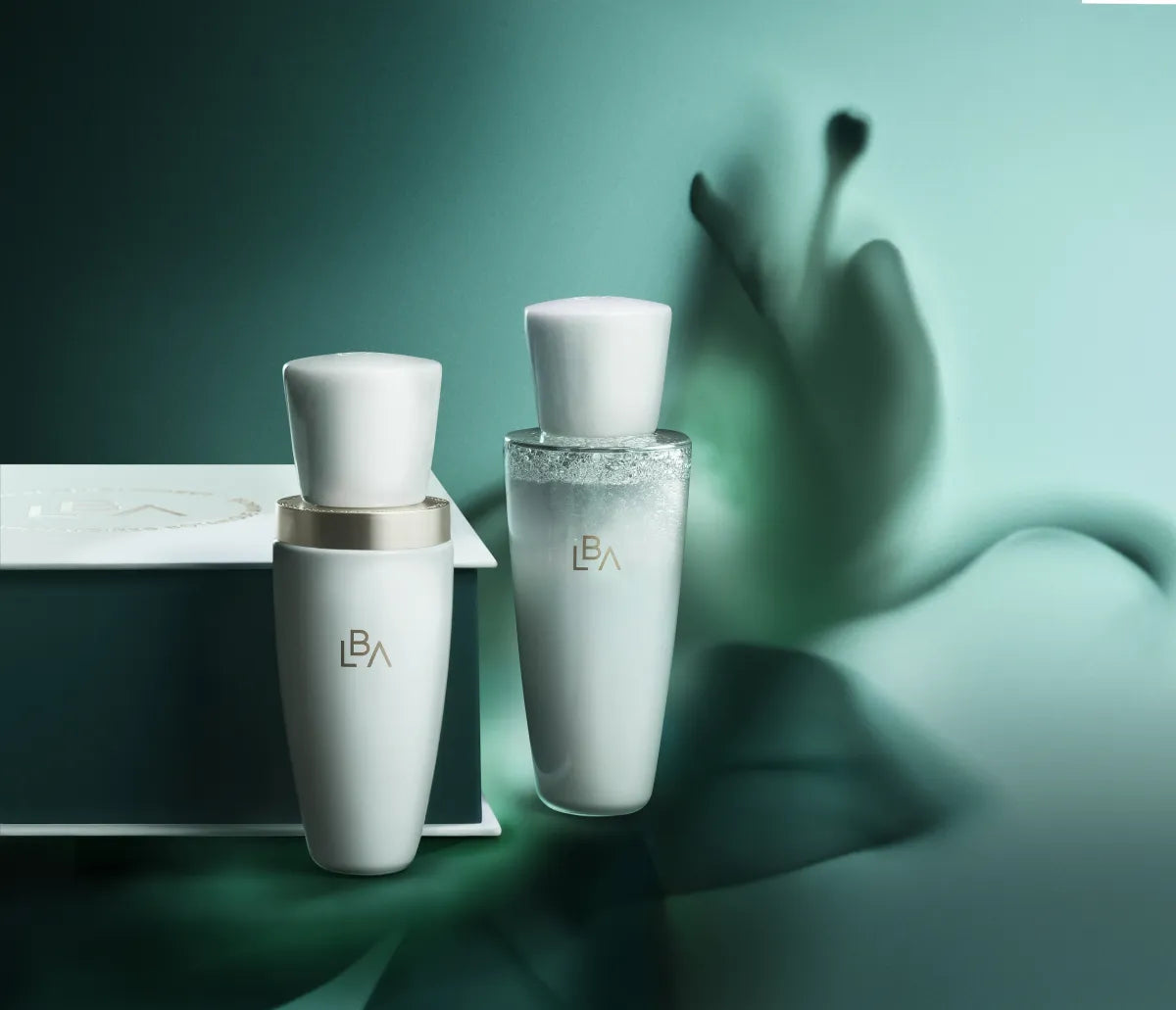
Botanique Avancée Laboratories embody this blend of tradition and contemporary scientific research.
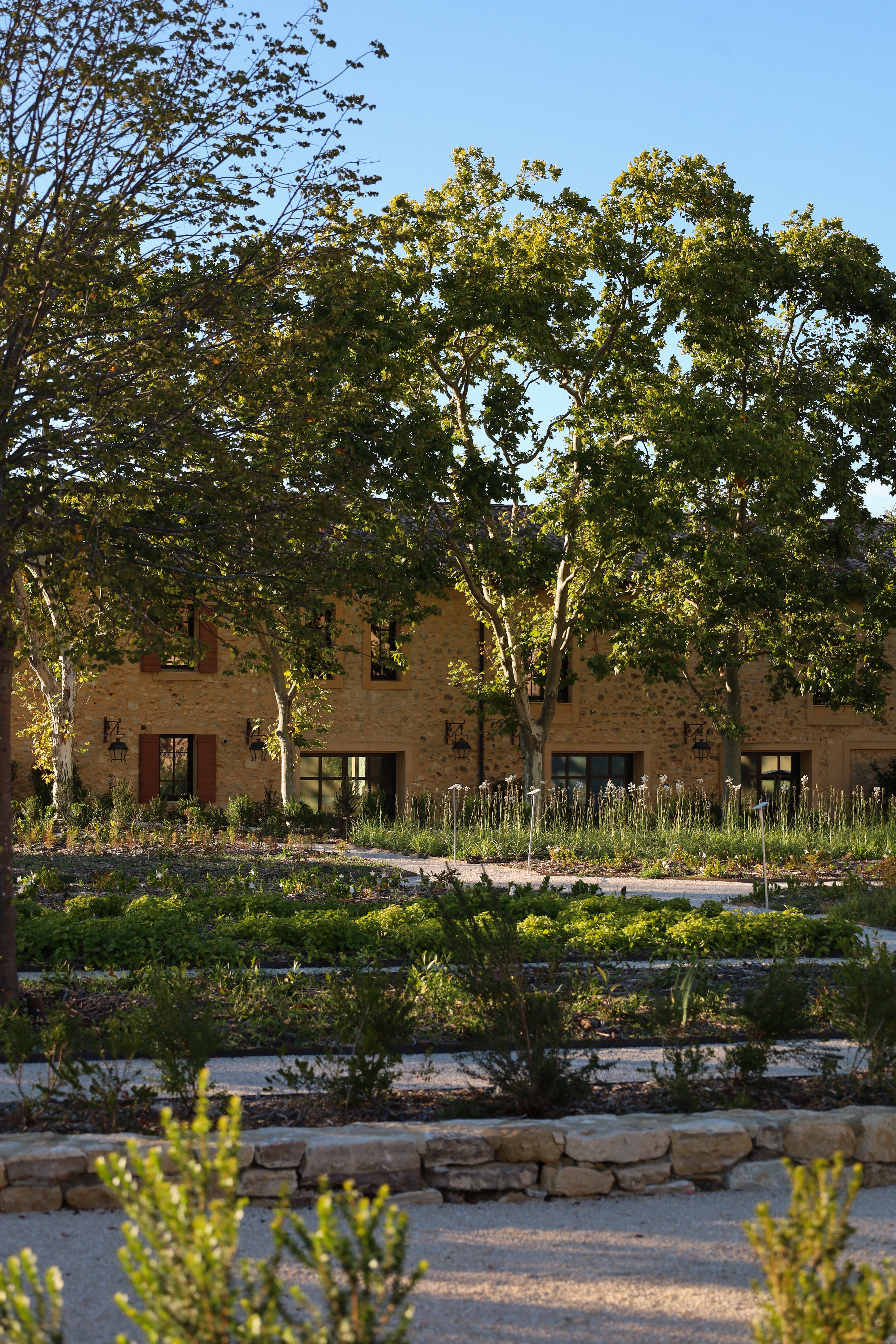
The plants grown at the Domaine de Baulieu in an exceptional environment: basaltic volcanic soil, two natural springs with unique chemical compositions, and a demanding Mediterranean climate. These conditions give rise to species with a distinctive molecular richness. The peony and the white lily develop characteristics here that are not found under ordinary growing conditions.
Their transformation into cosmetic ingredients relies on a precise understanding of their properties and on processes capable of preserving their efficacy until they reach the skin. Plants are not used merely as symbols of naturalness; they are incorporated as biological elements designed to promote longevity .
This is the essence of what LBA calls "skinspan": not stopping time, but preserving the skin’s ability to function, regenerate, and withstand stress. What ancient pharmacopoeia had long suspected, science has now proven. What science has proven, LBA has formulated.
Peony, white lily, iris, green tea, and centella asiatica are among the species most extensively studied in current cosmetic research. Their high content of bioactive compounds and their ability to adapt to harsh environments make them particularly promising candidates.
Roses, peonies, and green tea are traditionally associated with a radiant complexion. Science has confirmed that these plants contain compounds capable of supporting skin balance and limiting the effects of oxidative stress, the primary factor behind a dull complexion.
No. Collagen is an animal protein. What certain plants contain are molecules capable of supporting the biological processes that enable the skin to maintain its own collagen production. This distinction is crucial.
They do not erase them directly. However, they can support the mechanisms involved in cell renewal, the cohesion of skin structures, and protection against oxidative stress—all factors that influence the appearance and depth of wrinkles over time.
A medicinal plant is a species identified for its biological properties. A active ingredients is the result of a rigorous scientific process: extraction, identification of the target molecules, stabilization, and incorporation into a formulation. It is this process that ensures the product’s efficacy and safety.
Certain plants contain compounds that can help maintain the biological balance of skin cells over time. It is this approach—focused on preserving skin function rather than correcting visible signs of aging—that lies at the heart of the concept of longevity .
Yes, certain plants consumed as infusions or extracts can help protect cells throughout the body. Green tea, rosemary, and berries rich in polyphenols contribute to a holistic approach to skin balance. The skin is not an isolated surface; it reflects a biological balance that goes beyond mere topical application.
Plant stem cells
a scientific innovation
Exceptional formulas
proven effectiveness
A unique domaine
a botanical legacy
Plant stem cells
a scientific innovation
Exceptional formulas
proven effectiveness
A unique domaine
a botanical legacy
Sign up for our newsletter to gain access to the LBA Circle: expertise, dedicated concierge services, and personalized attention.
Our concierge team is available on WhatsApp to assist you:+33 6 32 79 69 60
By clicking "Confirm," I agree to receive the newsletter. For more information, read the Privacy Policy.
My Account
Enter the email address used for your account and we will send you a link to reset your password.