
The domaine
Your shopping cart
Your cart is empty

Summary
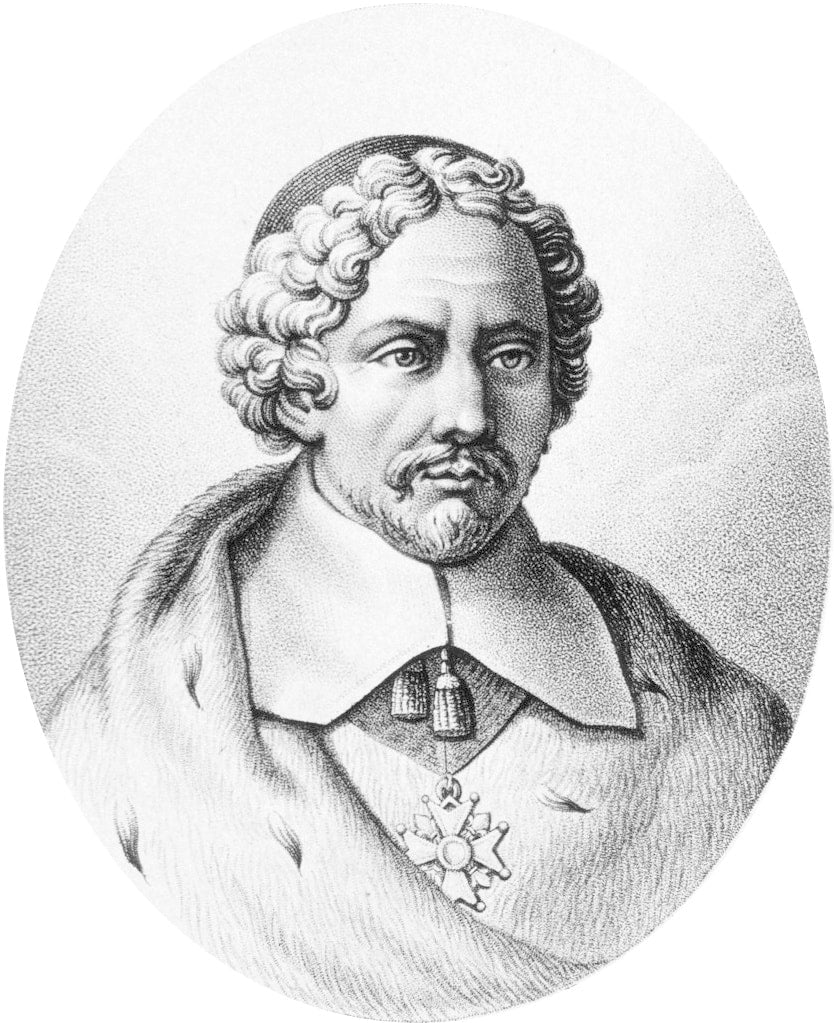
Tournefort was born in 1656 in Aix-en-Provence. The land shaped him before books did: the Mediterranean flora, its diversity, and the contrasts between the dry scrubland and irrigated gardens. It was here that his approach to observing the plant world took root: with precision, with patience, and with a curiosity that was never satisfied with mere appearances.
He became a professor at the Jardin du Roi, an institution founded under Louis XIII and brought to its peak under Louis XIV, his contemporary. There, he worked alongside Fagon, the Sun King’s chief physician, who supported distant botanical expeditions and the study of exotic species. Tournefort himself planted a pistachio tree there in 1702, which still stands in the garden today.
He died in 1708. But his legacy permanently reshaped the relationship between science and plants.

Before Tournefort, plant science faced a fundamental problem: plants were identified by long, imprecise Latin descriptions that were difficult to convey from one scholar to another. There was no common language. No structure.
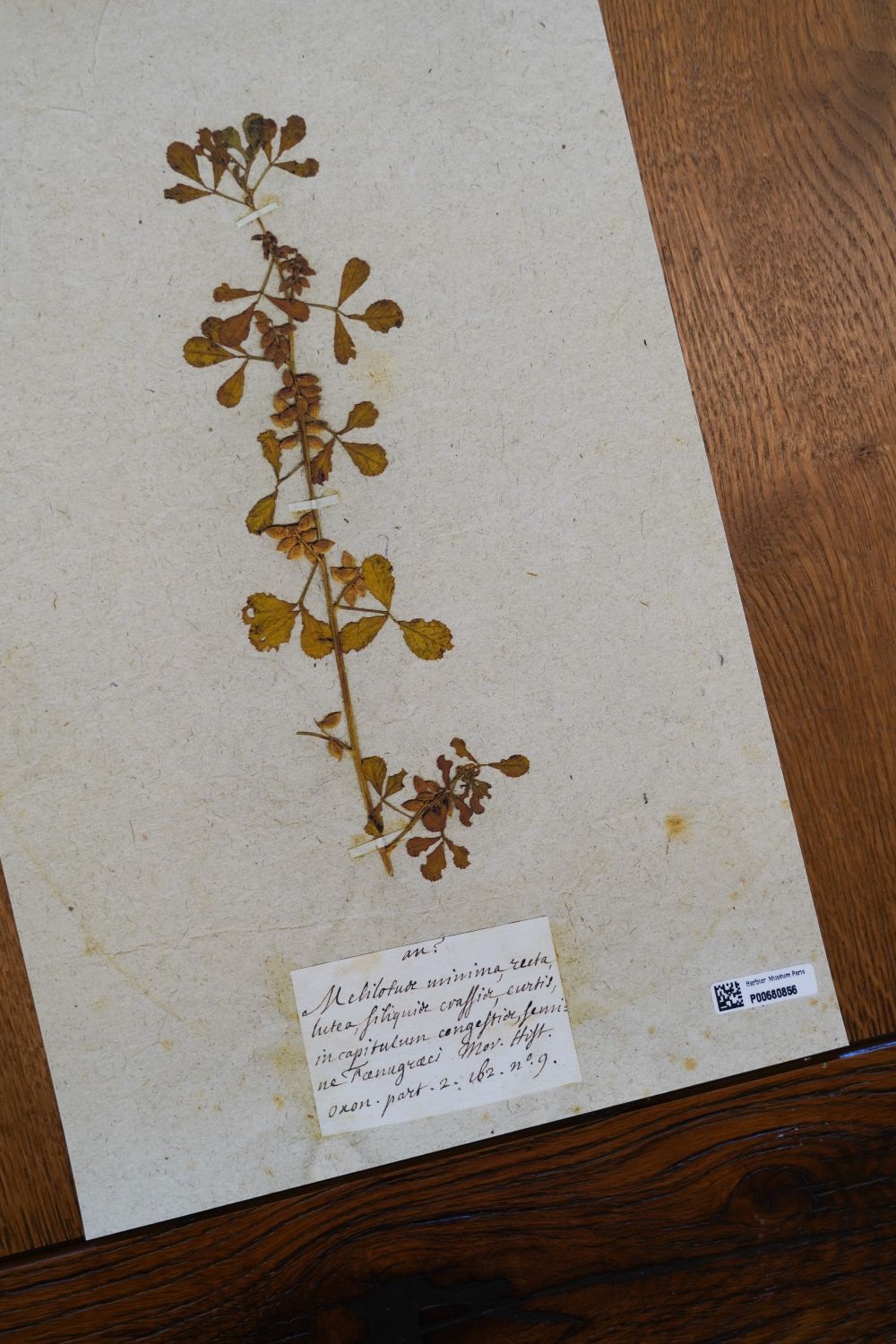
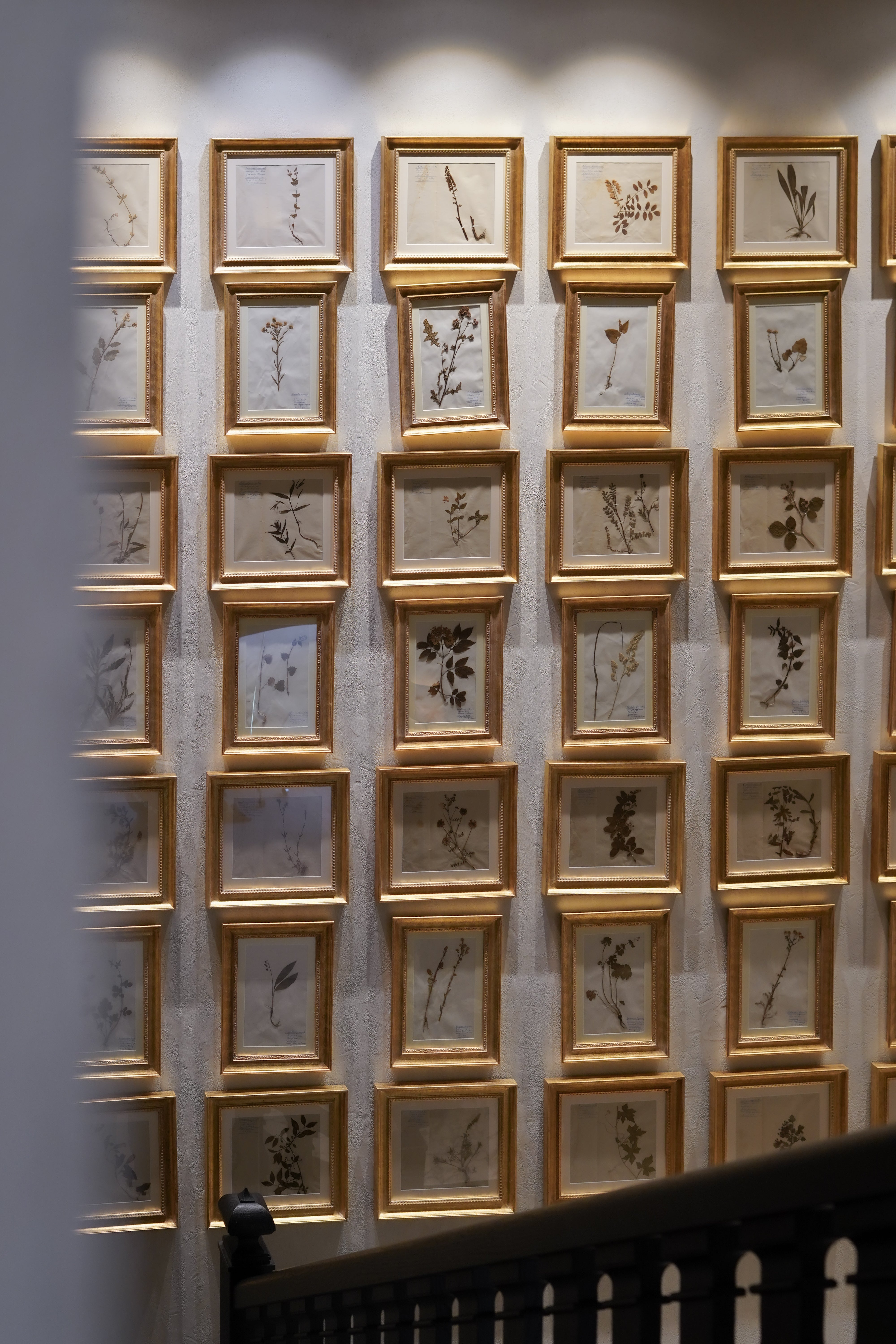
Tournefort laid the foundations for this structure. His major work, theInstitutiones Rei Herbariae, published in 1700, describes more than 10,000 species divided into 698 genera. It was a colossal undertaking, unparalleled in its time. He introduced the concept of the botanical genus by grouping species sharing a common floral structure under a single name. This conceptual leap was decisive.
Carl von Linné was born in 1707, one year before Tournefort’s death. He was the author of *Species Plantarum* and the binomial nomenclature still in use today. But Linnaeus himself did not claim to have invented the botanical genus. He owed that to Tournefort. What he contributed was the systematization of this principle across the entire living world. Rosa canina, Lilium candidum: these two-part Latin names that we still use today are the direct legacy of Tournefort’s thinking.
This approach marks a profound intellectual shift. Plants are no longer observed solely for their practical uses. They are studied for what they are—for their structure, their morphology, and their place within a coherent system.

What sets Tournefort apart from his contemporaries is his hands-on approach to plants. He did not study them solely in libraries or cultivated gardens. He traveled the countryside, observing, comparing, and describing them in their natural setting.
His travels took him as far as the Levant, Greece, and Armenia, at the foot of Mount Ararat. These radically different environments allowed him to test his classifications against the actual diversity of living organisms. His field notes are an exceptionally rich source of information. They reflect a rigorous approach: understanding plants by taking into account the soil, climate, exposure, and interactions with their environment.
Botany thus becomes a life science, rooted in reality. This connection between plants and their environment remains at the heart of today’s most advanced approaches. This is precisely what volcanic soil, unique water sources, or specific microclimates reveal: they directly influence a species’ molecular richness, its ability to produce protective compounds, and its biological vitality.

A place can give new depth to a scientific idea.
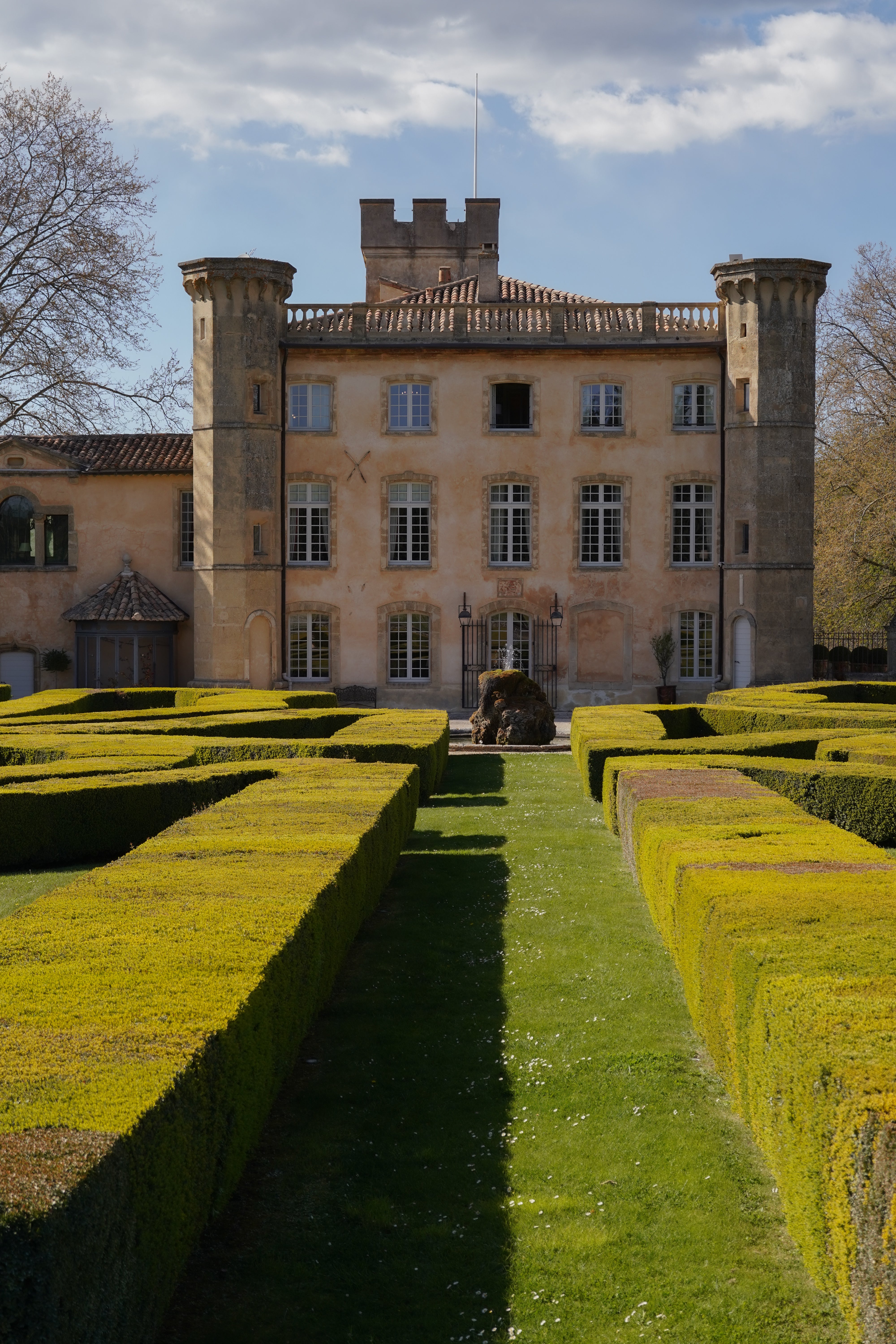
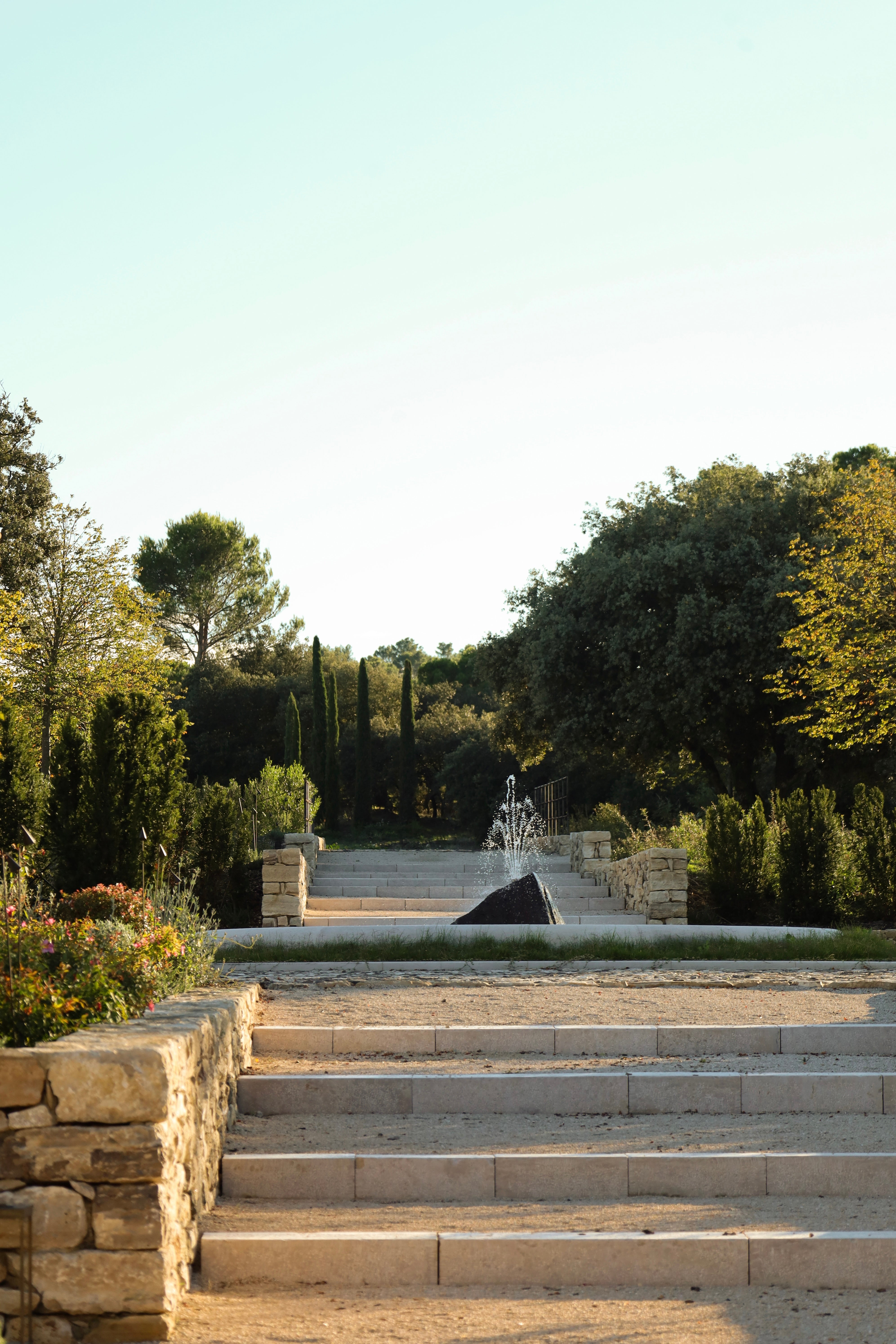
The Domaine de Baulieu of this tradition. Situated on volcanic soil unique to Provence, between Sainte-Victoire Mountain and the Durance Valley, it offers an environment for observing and studying plants that Tournefort would have recognized. The plants there thrive under specific conditions, shaped by the basaltic mineral content of the soil and the presence of two unique natural water sources.
The estate’s gardens include, among others, a “Jardin des Simples.” This name deserves some explanation. In ancient pharmacopoeia, a “simple” refers to a plant used on its own, in its natural form, without processing or mixing. This etymology says a great deal about the relationship these gardens have with tradition: not nostalgia for a bygone practice, but the transmission of knowledge about the intrinsic properties of plants. This is precisely Tournefort’s approach, adapted for the 21st century.
Tournefort's work builds on the legacy of the major pharmacopoeias: these bodies of knowledge, accumulated over centuries of empirical observation, which made it possible to identify certain species for their specific properties long before biochemistry could explain the mechanisms behind them.
Two species grown in the gardens of Baulieu are particularly good examples of this continuity between traditional knowledge and modern science.
The peony, Paeonia officinalis, has been used since ancient times for its anti-inflammatory properties. It is listed in Greek, Roman, and medieval pharmacopoeias. Its roots contain paeoniflorin, a compound with soothing properties that modern biochemistry has identified and confirmed. What the ancients observed empirically, science has explained at the molecular level.
The white lily, Lilium candidum, is listed in all major European pharmacopoeias. Its bulbs contain polysaccharides and compounds whose soothing and restorative properties are still being studied today. The white lily is a prime example of a plant that traditional medicine recognized long ago and that modern science continues to explore in depth.

One of Tournefort’s major contributions lies in his ability to organize the plant world in a way that makes it scientifically usable. By classifying plants into genera, he made it easier to identify them and enabled the systematic selection of species based on their properties.
In an advanced botanical approach such as that developed by Laboratoires Botanique Avancée, this morphological classification is supplemented by in-depth molecular analysis. The plant is studied simultaneously on several levels: its form, its environment, and the compounds it synthesizes in response to environmental stresses. Classification is the starting point. Phytochemistry is the next level.
This convergence of historical observation and modern science provides a solid foundation for cosmetic research. It allows us to move beyond simply using plants for their natural image and instead base their use on their actual biology.

Tournefort's botany was based on observation and classification. Contemporary science adds a dimension that the 17th century could only have glimpsed: the extraction and understanding of active molecules.
Today, botanical extracts are produced using precise processes capable of isolating the compounds of interest and stabilizing them for use in formulations tailored to skin physiology. This transition from plant toactive ingredients—from observation to biological efficacy—is at the heart of what Laboratoires Botanique Avancée does at the Domaine de Baulieu.
The plant is not used for its aesthetic appeal. It is studied for its biological properties, processed using methods that preserve its efficacy, and incorporated into formulations designed to work at every level of the skin.
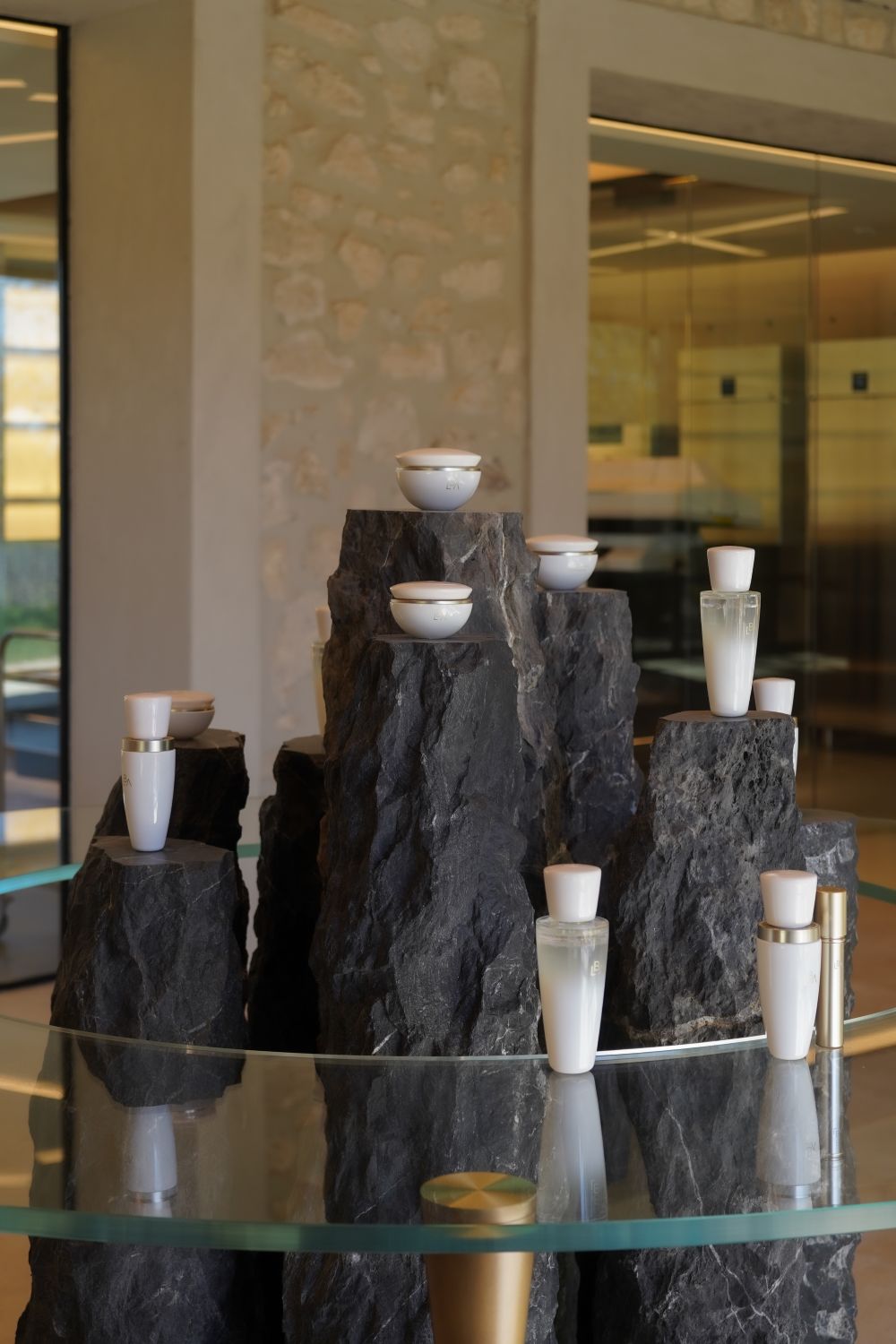
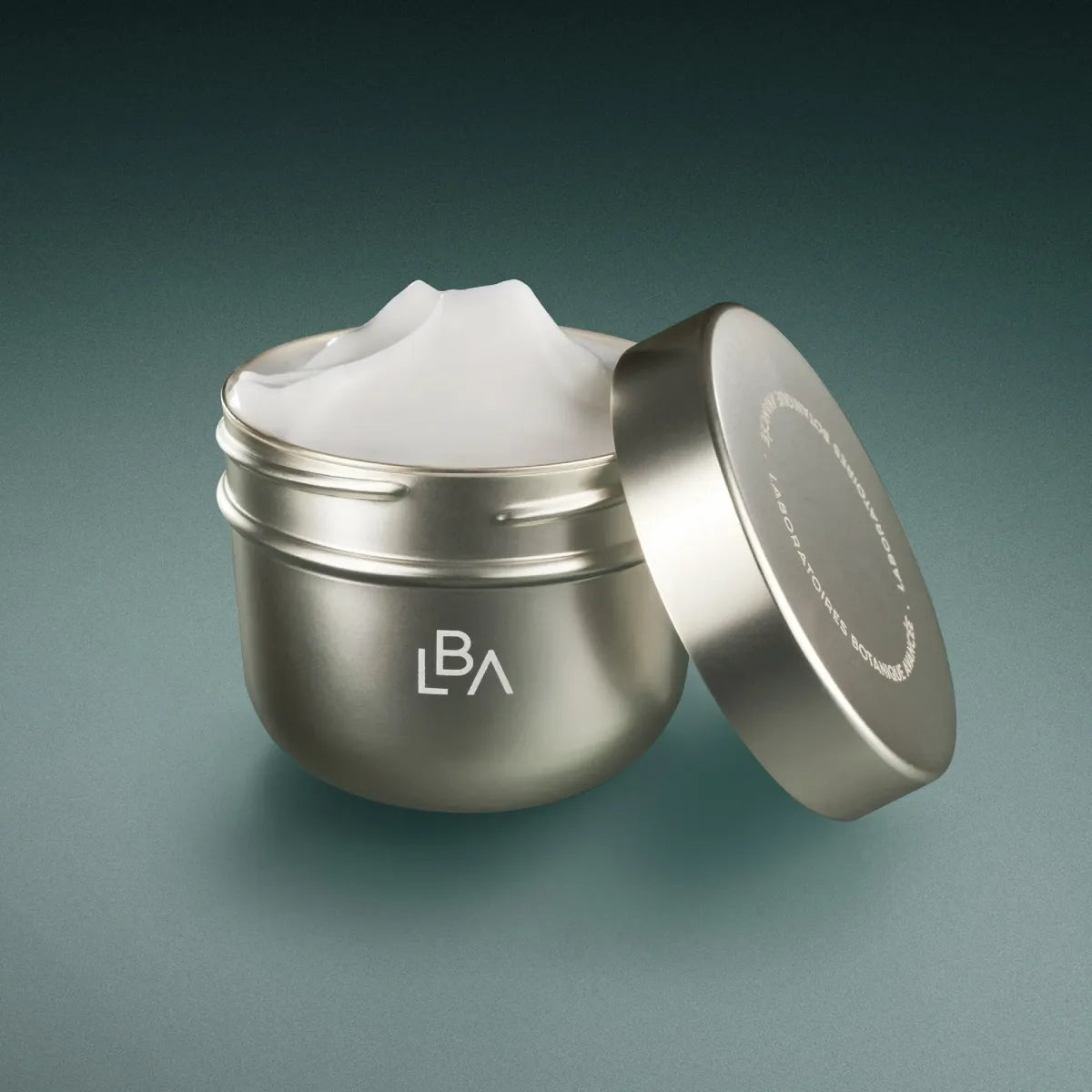
That's what the Hydrating infusion lotion does right from the first step of the routine: it prepares the skin to receive the active ingredients by creating an environment conducive to its balance. This is what the Regenerative Serum builds upon by supporting deep cellular mechanisms.
Following in Tournefort’s footsteps doesn’t mean going back in time.
It is a deepening of our understanding of plants that continues to evolve. With each generation, a new layer of understanding is added: morphological observation in the 17th century, phytochemical analysis in the 20th, and cell biology and reprogramming in the 21st. Each layer builds on the one before it without erasing it.
It is precisely in this spirit that Laboratoires Botanique Avancée operates: with the conviction that nature still has much to teach us, and that the best cosmetics are those that listen to it.
A French botanist born in Aix-en-Provence in 1656, he served as a professor at the King’s Garden under Louis XIV. He is the author of*Institutiones Rei Herbariae* (1700), which describes more than 10,000 species and introduces the concept of the botanical genus—a decisive advance that directly foreshadowed Linnaeus’s work.
He systematized the study of plants by replacing lengthy Latin descriptions with a system of genera based on floral morphology. Linnaeus drew directly on this concept to develop the binomial nomenclature still used today in all life sciences.
Linnaeus was born in 1707, one year before Tournefort’s death. He explicitly acknowledged his debt to Tournefort: the concept of the botanical genus, the cornerstone of Linnaean taxonomy, had already been established by Tournefort. Linnaeus systematized it and extended it to all living organisms.
A garden featuring so-called "simple" plants—a term from ancient pharmacopoeia referring to a plant used on its own, in its natural form, without any other ingredients. These gardens served to convey practical knowledge about the specific properties of each plant species.
Over centuries of observation, pharmacopoeias have empirically identified plants with specific properties. Modern science has confirmed and explained these uses by identifying the molecules responsible. Paeoniflorin from the peony and the polysaccharides in the white lily are concrete examples of this.
Because modern tools add new dimensions to traditional botanical observation. Molecular analysis, genetic sequencing, and phytochemistry now allow us to explore what Tournefort could only glimpse: the biological mechanisms that explain why certain plants, in certain environments, develop remarkable properties.
Plant stem cells
a scientific innovation
Exceptional formulas
proven effectiveness
A unique domaine
a botanical legacy
Plant stem cells
a scientific innovation
Exceptional formulas
proven effectiveness
A unique domaine
a botanical legacy
Sign up for our newsletter to gain access to the LBA Circle: expertise, dedicated concierge services, and personalized attention.
Our concierge team is available on WhatsApp to assist you:+33 6 32 79 69 60
By clicking "Confirm," I agree to receive the newsletter. For more information, read the Privacy Policy.
My Account
Enter the email address used for your account and we will send you a link to reset your password.